


Vet Recommended Dog Treats Guide: Expert Tips 2026
Do you want to give your dog the best treats, recommended by veterinarians and loved by dogs? Then you've come to the right place. The wrong dog treats can pose risks to your dog's health, but vet recommended dog treats provide both security and nutrition.
In this guide, you'll learn why veterinarians prefer certain treats, what ingredients make the difference, and how to choose the best one for your dog. We compare homemade and store-bought options, and offer expert tips for different needs.
Read on and discover how you can contribute to optimal dog health with the right choice of vet recommended dog treats.
Why Veterinarians Recommend Certain Dog Treats
Choosing vet recommended dog treats isn’t just about giving your dog something tasty – it’s an investment in long-term health. But what exactly makes vets recommend certain treats over others? Let’s take a closer look at the key differences, how these products can prevent common health problems, and why professional supervision is crucial.
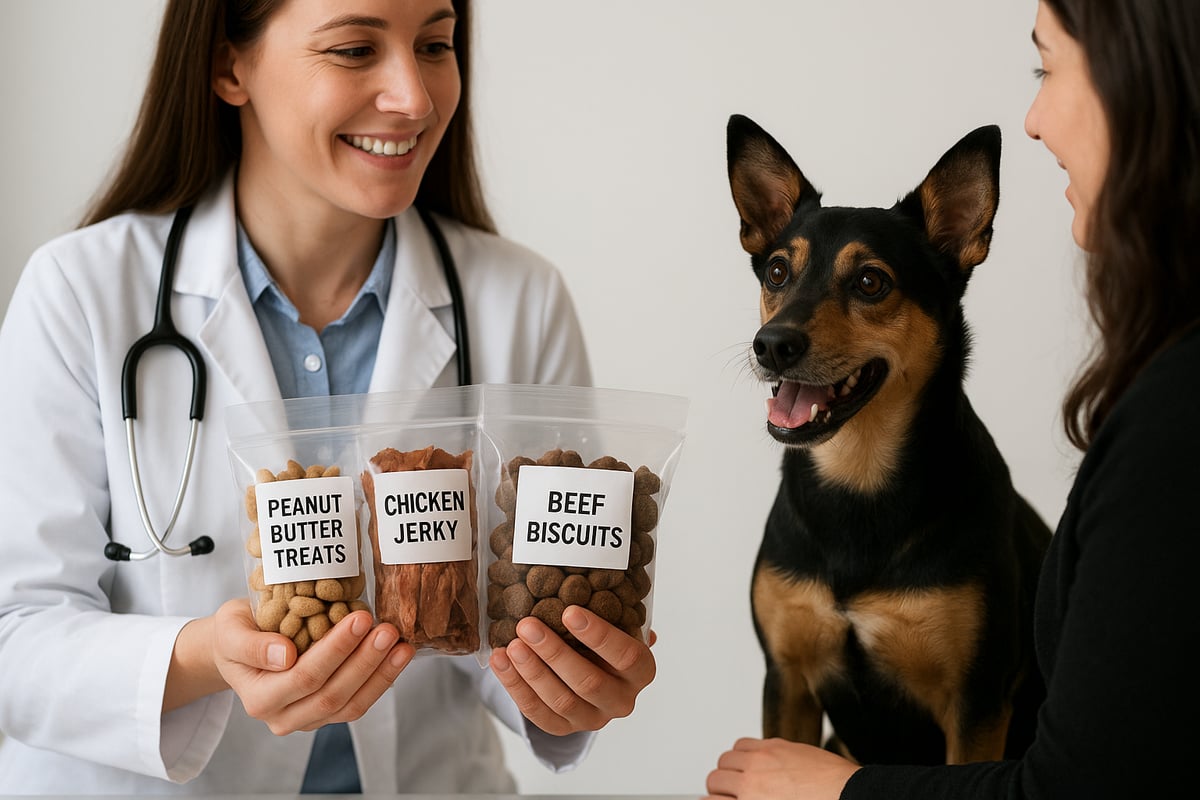
What distinguishes vet-recommended treats from regular ones?
Vet recommended dog treats are specifically formulated to support your dog's health, not just to please their taste buds. One clear difference is that these treats contain fewer additives and avoid unnecessary carbohydrates and artificial ingredients.
They are often enriched with functional ingredients such as omega-3 and omega-6, antioxidants, vitamins and minerals. These substances help to strengthen the immune system, improve skin and coat, and support joints and digestion. Examples of vet recommended dog treats are products that focus on digestive support, weight management or dental health.
According to statistics from Remy's Kitchen, many commercial treats contain fillers that can cause allergies and obesity. This shows the importance of seeing dog treats as a complement to the diet, not a risk factor. Veterinarians advocate products with clear ingredient lists and clinically tested ingredients, which gives both dog owners and their dogs peace of mind.
If you want to read more about what distinguishes the best options, see this vet-recommended dog treats guide for an overview of expert-recommended products.
How do vet treats contribute to preventive health?
Vet recommended dog treats do more than just reward – they can help prevent common health problems like obesity, tartar and stomach upset. Many of these treats are designed to target specific issues. For example, chews can help remove plaque and promote good oral health, while protein-rich snacks contribute to weight management and steady energy.
Statistics show that over 50 percent of dogs in the Western world are overweight according to TerraPawz. By choosing vet recommended dog treats with carefully selected ingredients and the right nutritional balance, you reduce the risk of future health problems and therefore also costly veterinary visits.
For digestion, treats with added pumpkin or probiotics are often used, while joint support products contain glucosamine and chondroitin. So choosing the right treat can be an investment in your dog's future health, while also providing a daily moment of joy.
Scientific background and professional supervision
Vet recommended dog treats are often created in close collaboration between veterinarians, nutritionists and animal health specialists. These experts ensure that the products are of high quality, nutritionally balanced and clinically tested before reaching the market.
For example, brands like TerraPawz have been developed with veterinary technicians and nutritionists to meet the specific needs of different dogs, giving you as a dog owner extra peace of mind when choosing vet recommended dog treats.
It is important to choose products with documented efficacy and professional recommendations. By relying on vet recommended dog treats, you can feel confident that you are giving your dog the very best for both well-being and long-term health.
How to choose the right one: Step-by-step guide to vet-recommended dog treats
Finding the best vet recommended dog treats requires precision and knowledge. With the right strategy, you can both pamper your dog and contribute to their long-term health. Here's a clear step-by-step guide to choosing safe and effective options.
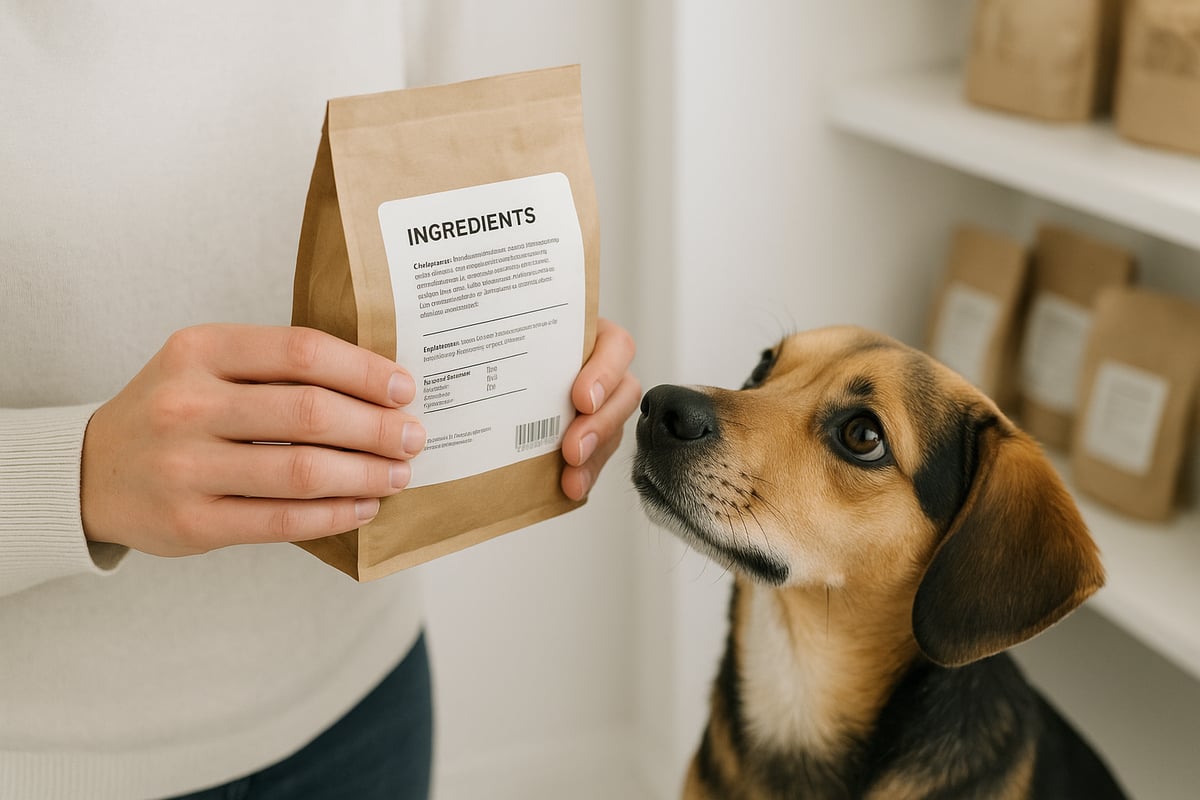
Step 1: Read the table of contents carefully
Always start by reviewing what vet recommended dog treats actually contain. Choose products without artificial colors, flavors, or chemical preservatives.
- Look for single-source protein, such as only chicken, beef, or fish.
- Fewer ingredients reduce the risk of allergies and sensitivities.
- Avoid fillers like wheat, corn, and soy.
Several brands, like Remy's Kitchen and TerraPawz, always list their ingredients clearly on the packaging. If you want to learn more about natural and healthy alternatives, be sure to read our Best natural dog treats guide .
Step 2: Adapt to your dog's needs and life stage
All dogs have different nutritional needs depending on age, activity level and health. Vet recommended dog treats for puppies should be high in protein and easy to digest. For seniors, omega-3 and glucosamine are especially important.
- Puppies: Protein-rich and energy-dense treats.
- Adults: Balanced snacks for daily reward.
- Seniors: Supplementation of omega fatty acids and joint support substances.
Functional vet recommended dog treats that promote joints, digestion or weight control are rapidly growing in popularity.
Step 3: Choose the right consistency and type of candy
The consistency of vet recommended dog treats should be adapted to the dog's size, age and chewing habits. Chewable treats contribute to dental health and help reduce plaque.
- Chewy treats: For larger dogs and to clean teeth.
- Soft pieces: Suitable for puppies, seniors or dogs with sensitive stomachs.
- Crunchy bites: Effective for mechanical cleaning of teeth.
Varying between different types of vet recommended dog treats provides both stimulation and health benefits.
Step 4: Check calorie count and portion size
Vet recommended dog treats should never make up more than 10 percent of a dog's daily energy intake. Too much candy can quickly lead to obesity.
- Check the calorie content per piece.
- Follow the manufacturer's recommendation for daily amount.
- Adjust the amount according to the dog's activity level and weight.
Many vet recommended dog treats are already calorie-counted, which simplifies portioning and reduces the risk of overfeeding.
Step 5: Choose natural and locally produced products if possible
Natural and locally produced vet recommended dog treats are often of higher quality and have better traceability. Organic ingredients minimize the risk of unwanted substances.
- Choose Swedish-made products with organic ingredients.
- Avoid sweets with long and difficult-to-understand ingredient lists.
- Please support local producers to contribute to sustainability.
Local and natural vet recommended dog treats provide both safety and better health for your dog.
Step 6: Consult a veterinarian if unsure
If you are unsure which vet recommended dog treats are right for your dog, always consult your veterinarian. This is especially important in cases of allergies, illnesses or special diets.
- The veterinarian can help identify the right product.
- Special diets and medical needs require extra care.
- Always follow recommendations from professionals when choosing candy.
Consulting an expert provides peace of mind and ensures that vet recommended dog treats support your dog's individual health.
Summary table: Step-by-step guide to vet recommended dog treats
| Step | What should you think about? | Examples and tips |
|---|---|---|
| 1 | Review ingredients | Single-source protein, avoid additives |
| 2 | Adapt to needs and life stage | Puppy, adult, senior, functional treats |
| 3 | Choose the right consistency and type | Chewy candies, soft pieces, crunchy bites |
| 4 | Check calorie count and portion size | Max 10% of energy intake, follow recommendations |
| 5 | Choose natural and locally produced products | Organic, Swedish, short list of ingredients |
| 6 | Consult a veterinarian | Allergies, special diets, professional advice |
By following these steps, you can feel confident in choosing vet recommended dog treats and at the same time give your dog the best conditions for a long and healthy life.
Key ingredients and what to avoid
Choosing the right ingredients in vet recommended dog treats is crucial to your dog's health. By understanding what makes a treat nutritious and what to avoid, you can give your dog the best support for a long and healthy life.
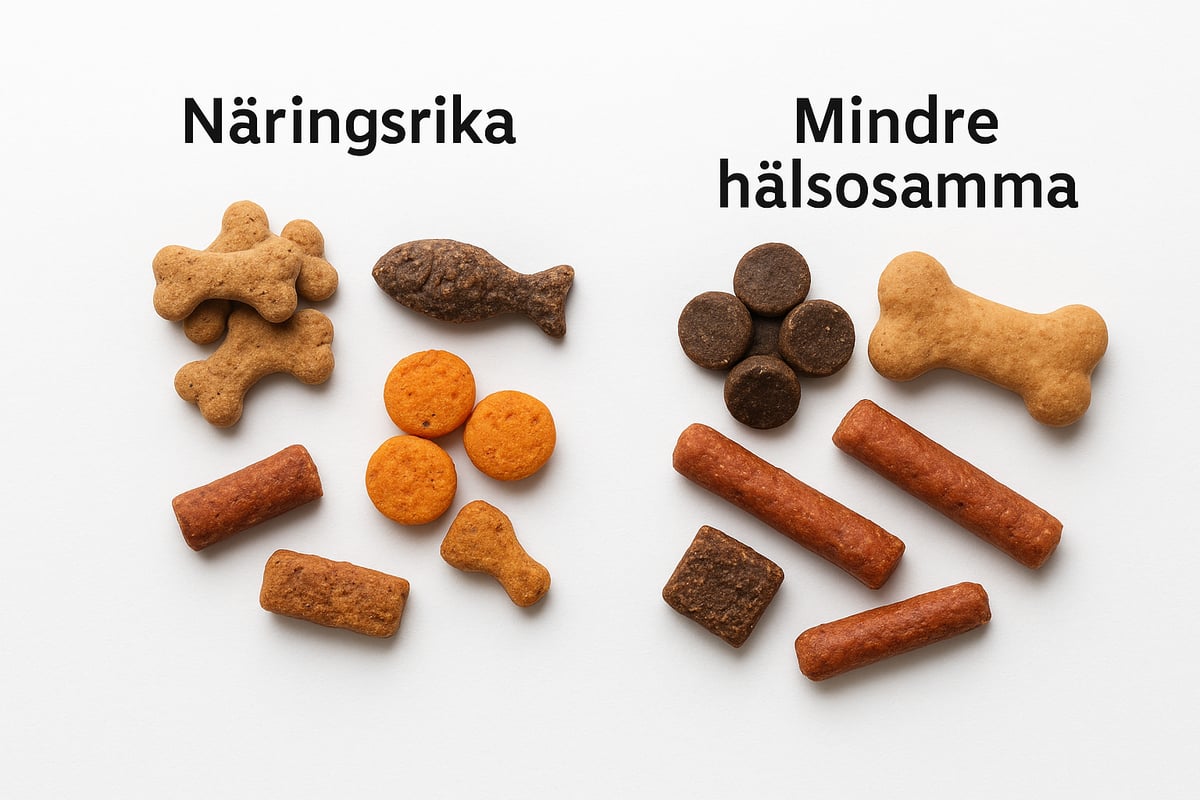
Nutritious key ingredients in vet treats
Vet recommended dog treats are characterized by their content of high-quality, functional ingredients. Animal proteins such as chicken, beef, turkey or fish are the basis for supporting strong muscles and optimal energy. These proteins are easily digestible and reduce the risk of stomach upset.
Omega-3 and omega-6 fatty acids are essential for a shiny coat and healthy skin. Antioxidants and vitamins such as A, D and E strengthen the immune system, while minerals such as zinc and selenium protect against deficiency diseases. For older dogs, glucosamine and chondroitin are important for maintaining flexible joints.
Many leading brands, such as Remy's Kitchen and TerraPawz, use pumpkin to support digestion and add omega fatty acids for extra nutritional value. Another example is Royal Canin, where the Royal Canin dog treats review shows how vet recommended dog treats can be both tasty and scientifically balanced.
A simple overview:
| Key ingredient | Benefit for the dog |
|---|---|
| Animal protein | Muscle growth |
| Omega-3/6 | Skin and fur |
| Antioxidants | Immune system |
| Glucosamine | Joint health |
| Pumpkin | Digestion |
Ingredients to avoid
Many commercial products contain ingredients that do not belong in vet recommended dog treats. Fillers like wheat, corn, and soy provide empty calories and are common allergens. These substances can contribute to obesity and digestive problems.
Sugar, syrups and other sweeteners are a major risk factor for both obesity and dental problems. Artificial colors, flavors and chemical preservatives can cause allergic reactions and negatively affect the dog's long-term health.
Cheap treats often contain these additives, making them unsuitable as recommended dog treats. By avoiding these ingredients, you reduce the risk of future health problems and ensure that the treat is truly a positive addition to the diet.
Some ingredients to watch out for:
- Wheat, corn, soy
- Sugar, syrup, glucose
- Artificial colors and flavors
- Chemical preservatives
Always choose products with a clear list of ingredients and minimal additives to ensure the quality of your vet recommended dog treats.
Examples of labels and what they mean
Understanding the labels on packaging is important when looking for vet recommended dog treats. The “limited ingredient” label means the product has few and clear ingredients, which reduces the risk of allergies. This is especially valuable for sensitive dogs.
“Single-source protein” means that the candy contains only one source of protein, for example only chicken or only fish. This makes it easier to avoid allergens and provides better traceability.
“Grain-free” signals that the product is free of grains, which is often suitable for dogs with sensitive stomachs. Also look for labels like “organic” or “locally produced” for an extra guarantee of quality. By choosing the right labels and reading the packaging carefully, you can more easily find vet recommended dog treats that match your dog’s needs.
In conclusion, it is crucial to understand both nutritious and unhealthy ingredients and to correctly interpret labels to ensure you are providing your dog with safe, healthy, vet-recommended dog treats.
Homemade vs. Store-Bought Vet Treats: Pros and Cons
Choosing between homemade and store-bought vet-recommended dog treats can be a challenge for many dog owners. Both options have their specific strengths and weaknesses. Below is a clear breakdown of the pros and cons, so you can make the best decision for your dog's health and happiness.
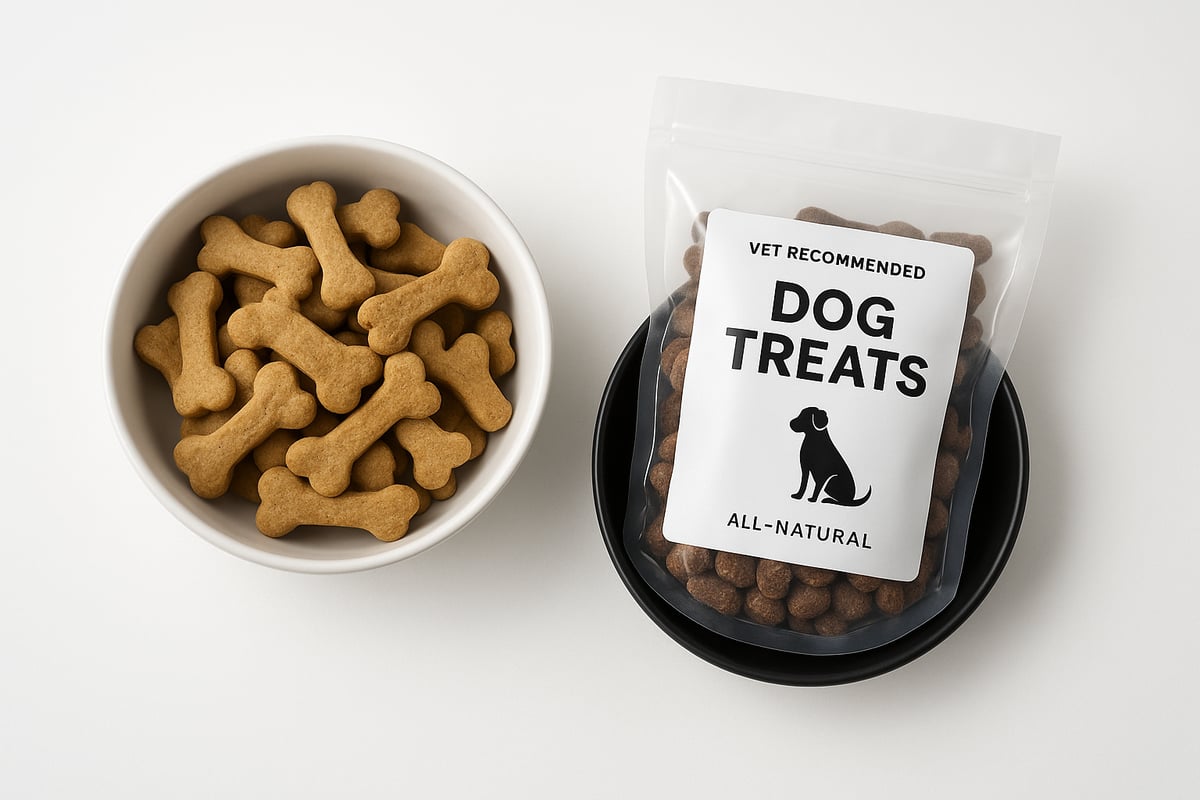
Benefits of homemade dog treats
Homemade vet recommended dog treats give you full control over what your dog gets. You can choose high-quality ingredients, adapt recipes to allergies and avoid unnecessary additives.
- Possibility to tailor ingredients to your dog's needs.
- Fresh, natural ingredients without artificial substances.
- No risk of hidden allergens or excess sugar.
Plus, baking your own treats can be a fun activity for the whole family. If you need inspiration for new recipes, Puppy birthday cake ideas can give you creative tips on how to vary your vet recommended dog treats at home.
Disadvantages of homemade sweets
However, there are challenges with homemade vet recommended dog treats. Because they often lack preservatives, they have a short shelf life and require refrigeration.
- Risk of nutritional imbalance if the recipe is not well balanced.
- Time-consuming to bake and portion.
- Difficult to accurately calculate calorie content and nutritional value.
For dogs with special dietary needs, it can be difficult to ensure that homemade treats truly meet the vet's requirements for vet recommended dog treats. It is important to consult a veterinarian when considering special diets.
Benefits of store-bought vet treats
Vet-recommended dog treats are often developed in collaboration with veterinarians and nutritionists to meet specific health requirements. They are nutritionally balanced and tested to suit different needs.
- Longer durability, practical for training and travel.
- Clear labeling of ingredients, nutritional content and calories.
- Clinically tested for safety and efficacy.
Many purchased vet recommended dog treats are also adapted for different life stages and health problems, making it easy to find the right product for your dog.
Disadvantages of store-bought sweets
The price per serving is often higher for store-bought vet recommended dog treats, and the quality varies between brands. It is important to choose products with a clear list of ingredients and professional recommendation.
- More expensive than homemade alternatives.
- Some brands contain unnecessary additives or fillers.
- Quality control can vary, especially with low-priced products.
According to statistics, about 60% of dog owners mix homemade and store-bought treats to create variety and joy. Freeze-dried vet recommended dog treats have become popular due to their gentleness on the stomach and preserved nutritional value. Regardless of the choice, it is crucial that the treat complements the diet and does not pose a health risk.
Expert tip: Customize the treat to your dog's individual needs
Choosing vet recommended dog treats is about more than just taste. Every dog is unique, and the right treat can make a big difference to their health. Below you will find expert tips to tailor your choice to your dog's specific needs. Feel free to explore a wide selection of Dog treats product collection for inspiration on healthy and safe options.
Sweets for sensitive stomachs and allergies
Dogs with sensitive stomachs or allergies need extra care when choosing vet recommended dog treats. Always choose products with few, clear ingredients and avoid grains, chicken or other common allergens if you know your dog reacts to these.
- Limited ingredient candy reduces the risk of reactions.
- Single-source protein, e.g. only turkey or fish.
- Grain-free options for sensitive stomachs.
Vet recommended dog treats with pumpkin, sweet potato or fish are often gentle and easy on the stomach. Try small amounts first to see how your dog reacts.
Treats for weight control and overweight dogs
Obesity is a growing problem among dogs. Choosing the right vet recommended dog treats is crucial to keeping weight in check. Look for snacks that are low in fat and high in protein.
- Low-calorie sweets, often based on fish or lean meat.
- Freeze-dried vegetables or pure meat.
- Avoid sweets with sugar, syrup or unnecessary carbohydrates.
The amount of candy is just as important as the content. Divide the day's candy into several small portions and choose products where the calorie content is clearly stated.
Candy for dental health and breath
Oral health is an important part of your dog's well-being. Vet recommended dog treats for teeth often have a rough, crunchy surface that helps remove plaque and prevent tartar.
- Chewy candy with natural fibers.
- Crunchy bites specially designed for cleaning teeth.
- Candy with added substances that counteract bad breath.
Regular use of the right vet recommended dog treats for dental health can reduce the need for dental cleanings at the vet and provide fresher breath.
Treats for puppies and older dogs
Puppies and seniors have special needs when it comes to vet recommended dog treats. For puppies, it's important to have soft, easy-to-chew pieces that are gentle on baby teeth and sensitive stomachs.
- Soft candy pieces for little mouths.
- Extra omega-3 supplementation for brain development.
- Glucosamine and chondroitin for older dogs' joints.
Older dogs may have difficulty chewing hard treats, so choose snacks that are easy to chew and rich in nutrients that support aging.
Treats for multi-animal households (dog & cat)
Do you have both a dog and a cat? Choose vet-recommended dog treats that are suitable for both species, such as freeze-dried, single-ingredient treats. It's important to remember that cats require taurine, so make sure the treat is safe for both.
- Freeze-dried meat pieces without additives.
- Check that the product is labeled for both dogs and cats.
- Avoid treats with onions, garlic or other substances dangerous to cats.
With the right vet recommended dog treats, treat time will be safe and joyful for all your four-legged friends.
Statistics & insights
Functional vet-recommended dog treats are rapidly gaining popularity, especially among dog owners looking to prevent health problems. Studies show that more and more people are looking for products that support digestion, joints or weight management. According to Dog Owners' Attitudes Toward Treats , awareness of ingredients and portion sizes is on the rise.
- 50% of veterinarians recommend treats with multifunctional effects.
- 20% annual increase in functional candy products.
- 60% of owners mix homemade and purchased options.
Choosing vet recommended dog treats with documented efficacy can contribute to both reduced veterinary costs and increased quality of life for your dog.
Example of customization
Different diseases require different adaptations of vet recommended dog treats. If your dog has diabetes, choose sugar-free, high-protein options. Dogs with allergies do best with snacks with only one animal protein source and no grains.
| Needs | Examples of the right candy | To avoid |
|---|---|---|
| Diabetes | Sugar-free, high protein | Sugar, syrup, wheat flour |
| Allergy | Single-protein candy, grain-free | Chicken, grain, soy |
| Overweight | Low-calorie, freeze-dried meat | High-fat, sugary products |
By carefully choosing vet recommended dog treats, you can meet your dog's individual needs and create a healthy, joyful everyday life.
Future Trends: Dog Treats 2026 and Beyond
The future of vet recommended dog treats is shaped by new technology, increased demands for sustainability and a growing focus on personalized health. Dog owners and veterinarians are already seeing how innovations are changing the market and setting new standards for quality and functionality. Below are the clearest trends for 2026 and what they mean for you and your dog.
Functional and customized sweets
Vet recommended dog treats are rapidly evolving to become more than just rewards. Functional treats that support joints, digestive health or skin problems are in demand from both dog owners and veterinarians. Personalisation is on the rise, with online testing and advice helping you find exactly the right product for your dog's needs.
One example is the TerraPawz Treat Finder Quiz, where you are matched with treats based on age, activity level and any health issues. This development means that vet recommended dog treats in 2026 will become part of a tailored welfare package for each dog.
Sustainability and environmental awareness
The environmental aspect is central to the future of vet recommended dog treats. Manufacturers are increasingly using "upcycled" raw materials, that is, rescued vegetables and fruits that would otherwise have gone to waste. Packaging is designed to minimize environmental impact, with recyclable or compostable materials.
This trend meets both quality and responsibility demands and makes it possible to choose products that are good for both the dog and the planet. Sustainable production and local manufacturing become an important selling point.
Natural and organic ingredients
Consumer demand for natural and organic ingredients is driving the development of vet recommended dog treats. Organically certified ingredients, Swedish manufacturing and grain-free recipes are sought-after features.
Freeze-drying and air-drying are used to preserve nutrients without adding unnecessary preservatives, allowing the sweets of the future to combine high nutritional quality with clean labels and transparency.
Data-driven product development
Thanks to feedback from both veterinarians and dog owners, producers of vet recommended dog treats can quickly adapt their products to new findings and customer requests. Statistics on health trends, allergies and preferences are used to create better and more effective treats.
Remy's Kitchen and TerraPawz are examples of brands that collaborate with veterinarians at every stage of product development, ensuring that each new treat is clinically tested and tailored to real needs.
New formats and uses
Vet recommended dog treats are gaining wider uses than before. In addition to being a reward, they are now also used as dietary supplements or for medical administration. Examples include treats with added probiotics for digestive health, or pieces designed to conceal medication.
This versatility means that vet recommended dog treats can be seamlessly integrated into your dog's daily routine and contribute to both happiness and health.
Statistics and future forecast
The market for functional vet recommended dog treats is growing rapidly. According to industry data, the global market for functional dog treats is expected to grow by 8 percent annually until 2030. Demand for clean label and transparent products is strong.
For a more detailed analysis of upcoming trends and consumer behaviors, see Dog treats market trends 2026. It also shows that more and more dog owners want products that are both functional and natural.
| Year | Growth in functional sweets (%) | Share of organic products (%) |
|---|---|---|
| 2024 | 6 | 18 |
| 2026* | 8 | 25 |
| 2030* | 8 | 32 |
*Forecast according to industry data
Examples of pioneers and innovations
Several brands are leading the development of vet-recommended dog treats. Remy's Kitchen offers protein-rich, freeze-dried treats without additives, while TerraPawz is launching plant-based alternatives with functional ingredients and sustainable production.
Innovative companies invest in:
- Customized sweets via digital tests
- Sustainable and environmentally friendly packaging
- New formats, such as candy with probiotics or for medical use
These pioneers set the standard for what we can expect from vet recommended dog treats in 2026 and beyond.


