
Guide to Spent Grain Dog Treats: Tips & Advice 2026
More and more dog owners are discovering spent grain dog treats, an innovative and sustainable solution that turns brewery residues into healthy dog treats. Interest is growing rapidly, both for the sake of the environment and for the well-being of the dog.
In this guide, you'll learn everything you need to know about spent grain dog treats. We'll go over what spent grain is, its nutritional value, safety aspects, step-by-step instructions, recipes, sustainability tips, and answers to frequently asked questions.
Do you want to give your dog something tasty and at the same time contribute to a greener future? Read on and be inspired to try it yourself!
What is Spent Grain and Why Use It in Dog Treats?
Spent grain is the solid residue left over after brewing beer, typically from malted barley, wheat or oats. When brewers extract sugar for fermentation, a nutritious mass of fiber, protein and minerals is left behind. Instead of this byproduct going to waste, it can be transformed into spent grain dog treats – a smart, sustainable and healthy alternative for dogs.
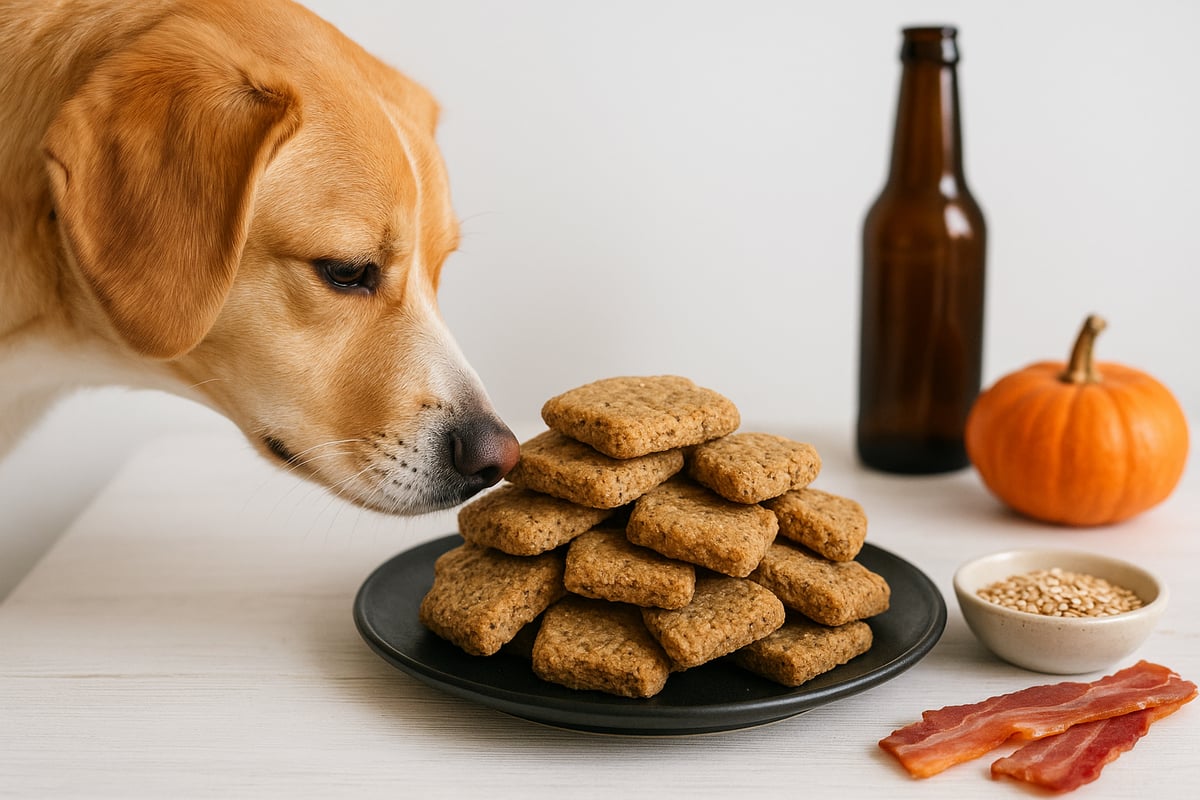
What is spent grain and how does it occur?
When brewing beer, large quantities of grain are used to extract sugar. After this process, spent grain remains, which often makes up up to 85 percent of the brewery's waste products. Spent grain is mainly high in fiber and also contains an impressive amount of protein, while being low in sugar and fat.
Breweries all over the world, from Gothenburg to Portland, have begun partnering with local small businesses to transform spent grain into new products, making spent grain dog treats a prime example of upcycling.
Nutritional Profile and Benefits for Dogs
According to the Portland Pet Food Company, spent grain is rich in fiber and protein, which is beneficial for your dog's digestive and muscle health. Compared to regular grains, spent grain is lower in sugar and fat, making it especially suitable for dogs on a weight-control diet or with sensitive stomachs.
Below is a comparison between spent grain and regular grain:
| Nutrient | Spent grain | Flour |
|---|---|---|
| Fiber | High | Means |
| Protein | High | Means |
| Sugar | Low | High |
| Fat | Low | Means |
This unique nutritional composition has made spent grain dog treats increasingly popular among dog owners looking for natural and sustainable alternatives.
Environmental benefits and sustainable upcycling
Using spent grain in dog treats significantly reduces waste. For every 6-pack of beer brewed, approximately 0.45 kg of spent grain is produced, which otherwise often ends up in animal feed or landfill. By reusing this resource into spent grain dog treats, we contribute to a reduced climate impact and a more circular economy.
Studies have shown that brewer's residues can be effectively transformed into food ingredients, further strengthening the argument for using spent grain for dogs. Read more about the potential in Biotransformation of brewer's residues as a food ingredient .
Several companies in Sweden, such as Spendrups and smaller microbreweries, have taken the initiative to collaborate with local entrepreneurs to create spent grain dog treats. Similar trends are seen in cities such as Malmö, Uppsala and internationally in Portland and Berlin.
Flavors and variations
Spent grain dog treats come in many different flavors to suit different dogs' preferences. Some of the most popular are:
- Bacon
- Pumpkin
- Beef broth
- Apple
- Peanut butter
You can also adjust the flavors seasonally, such as cinnamon in the fall or cranberry around Christmas, making spent grain dog treats a flexible and fun option for both dogs and owners.
Important safety aspects
The most important thing to remember is that spent grain should never contain hops, as they are toxic to dogs. All spent grain used in dog treats must therefore come from pure grains without added hops. Always check with the brewery or supplier before using spent grain in spent grain dog treats.
To avoid mold and bacteria, it is important to dry and store the candy properly. Make sure to use fresh ingredients and follow hygienic procedures during manufacturing.
In conclusion, spent grain dog treats are an innovative, nutritious and environmentally friendly choice that is suitable for most dogs. With the right handling, this by-product can become a valued part of your dog's diet, while contributing to a more sustainable future.
Nutritional Value and Health Benefits for Dogs
Choosing spent grain dog treats means giving your dog a treat with high nutritional value. Spent grain, or brewer's residue, contains plenty of fiber and protein. These substances are important for intestinal health, digestion and muscle building in dogs. In addition, spent grain has a naturally low fat content, making it an excellent option for dogs who need to keep their weight under control.
Fiber contributes to a functioning stomach and intestines, while protein supports muscle mass and energy. Especially for active or older dogs, spent grain dog treats can be a smart choice. The low sugar levels also help to avoid unnecessary calories.
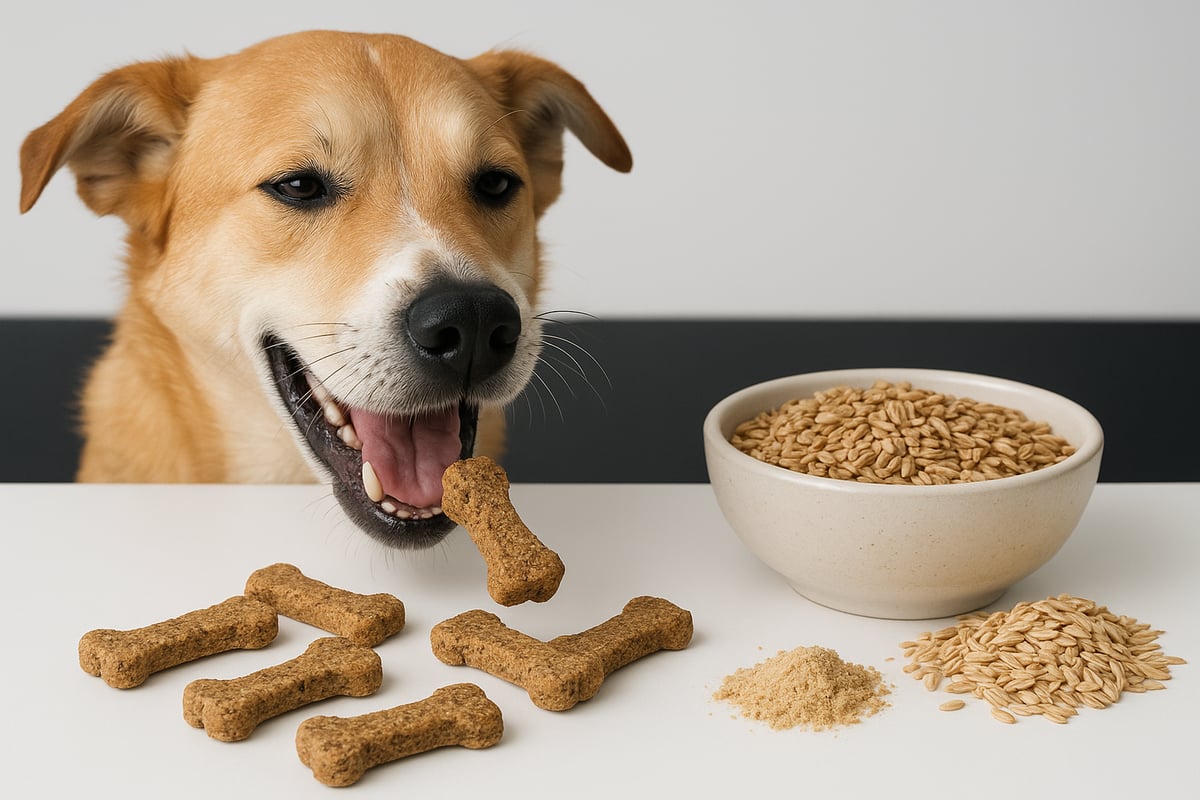
For dogs with sensitive stomachs, spent grain dog treats are often easier to digest than many commercial alternatives. Many traditional treats contain additives, sugar and fat, which can irritate the stomach. Spent grain dog treats are usually made with natural ingredients and are free of unnecessary chemicals.
Comparison:
| Property | Spent Grain Dog Treats | Traditional Dog Treats |
|---|---|---|
| Fiber | High | Low–Medium |
| Protein | High | Varies |
| Fat | Low | Often higher |
| Additives | Few/Natural | Often many |
This makes spent grain dog treats a good choice for dogs with sensitive digestion or for owners who want to avoid unnecessary additives.
It is important to consider any allergies and intolerances when introducing spent grain dog treats. Some dogs can react to grains, although spent grain rarely contains gluten at the same levels as wheat flour. Feel free to adapt the recipe with gluten-free flours if your dog is sensitive.
The portion size should always be adjusted to the dog's weight and activity level. A rule of thumb is that treats should never make up more than 10% of the daily energy intake. For puppies, seniors and small breeds, smaller pieces are suitable, while larger dogs can be given larger portions.
For different ages and breeds, spent grain dog treats are a flexible option. They can be shaped and flavored as needed, making them useful for both young and older dogs.
Research into spent grain dog treats shows that these treats can be both safe and nutritious, provided the raw material is properly handled and free of hops. According to Safe Use of Spent Grain in Dog Treats, spent grain is rich in B vitamins and minerals, which further strengthens a dog's immune system and overall health.
Using spent grain dog treats is not only a sustainable choice – it is also an investment in your dog's well-being and long-term health.
Safety and Risks: What You Need to Consider
Making spent grain dog treats at home is both fun and sustainable, but there are important safety considerations you should never ignore. The most important thing is that spent grain should never contain hops. Hops are highly toxic to dogs and can lead to serious symptoms such as fever, vomiting, and difficulty breathing. If you get spent grain from a brewery, always ask about the process and make sure the leftovers are completely hop-free.
Fresh spent grain is nutritious but also a favorable environment for mold and bacteria. Therefore, it is crucial to dry spent grain dog treats properly before storing. Damp treats can quickly go bad and pose a health risk. To minimize the risk, spread the treats out on baking paper and bake or dry them on low heat until completely dry. Always store spent grain dog treats in an airtight container, preferably in the refrigerator, to increase shelf life and protect against mold growth.
When baking spent grain dog treats at home, it's important to avoid dangerous ingredients. Some substances that are common in human food are directly harmful to dogs. Examples of things you should never use include chocolate, onions, garlic, macadamia nuts, raisins, and xylitol. If your dog has allergies, choose hypoallergenic alternatives, such as almond butter instead of peanut butter. Always read up on the ingredients you plan to use.
Symptoms of your dog reacting negatively to spent grain dog treats may include itching, diarrhea, vomiting or fatigue. Always introduce new treats slowly and in small amounts. If you are unsure, please consult your veterinarian. For more tips on safe dog treats, please see vet-recommended dog treats tips . Common mistakes are forgetting to dry, using prohibited ingredients or storing the treats too warm. Avoid these to give your dog a safe and good result.
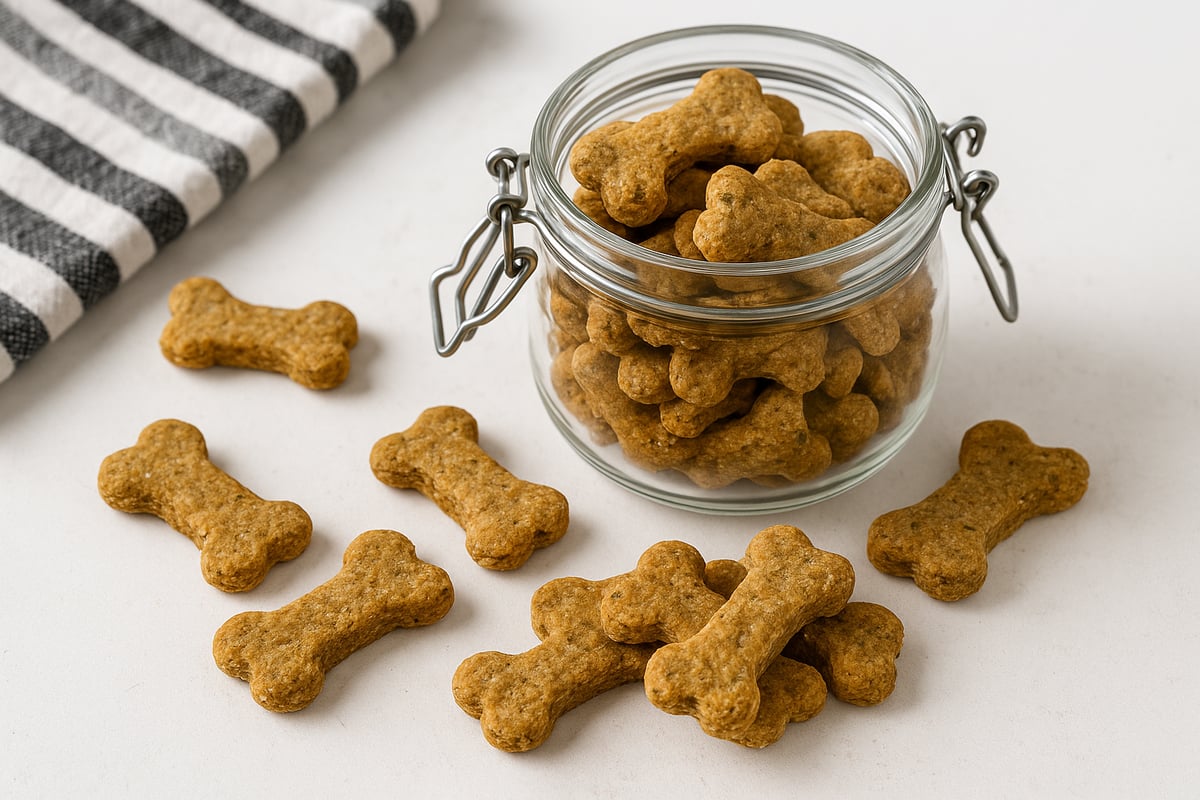
Step-by-Step: How to Make Spent Grain Dog Treats Yourself
Making your own spent grain dog treats is both sustainable and easy. You get control over the ingredients, can customize the taste to your dog, and at the same time contribute to reducing food waste. Spent grain dog treats have become popular among dog owners looking for natural and environmentally friendly alternatives.
The process begins with collecting brewer's waste from beer brewing, then mixing it with other dog-friendly ingredients. With proper drying and storage, you can create treats that last a long time and are beneficial to most dogs.
Equipment and ingredients you need:
- Spent grain (without hops)
- Wheat flour or other flour
- Egg
- Peanut butter (without xylitol or sugar) or alternative
- Baking sheet, baking paper, oven
- Storage jar with tight-fitting lid
The preparation is simple and suitable for both beginners and experienced home bakers. The recipe can be varied with flavors such as bacon, pumpkin or beef. By following this guide, you will get a sustainable and nutritious treat for your dog.
If you want to read more about natural dog treat alternatives, you can also take a look at the Best natural dog treats guide for further inspiration.
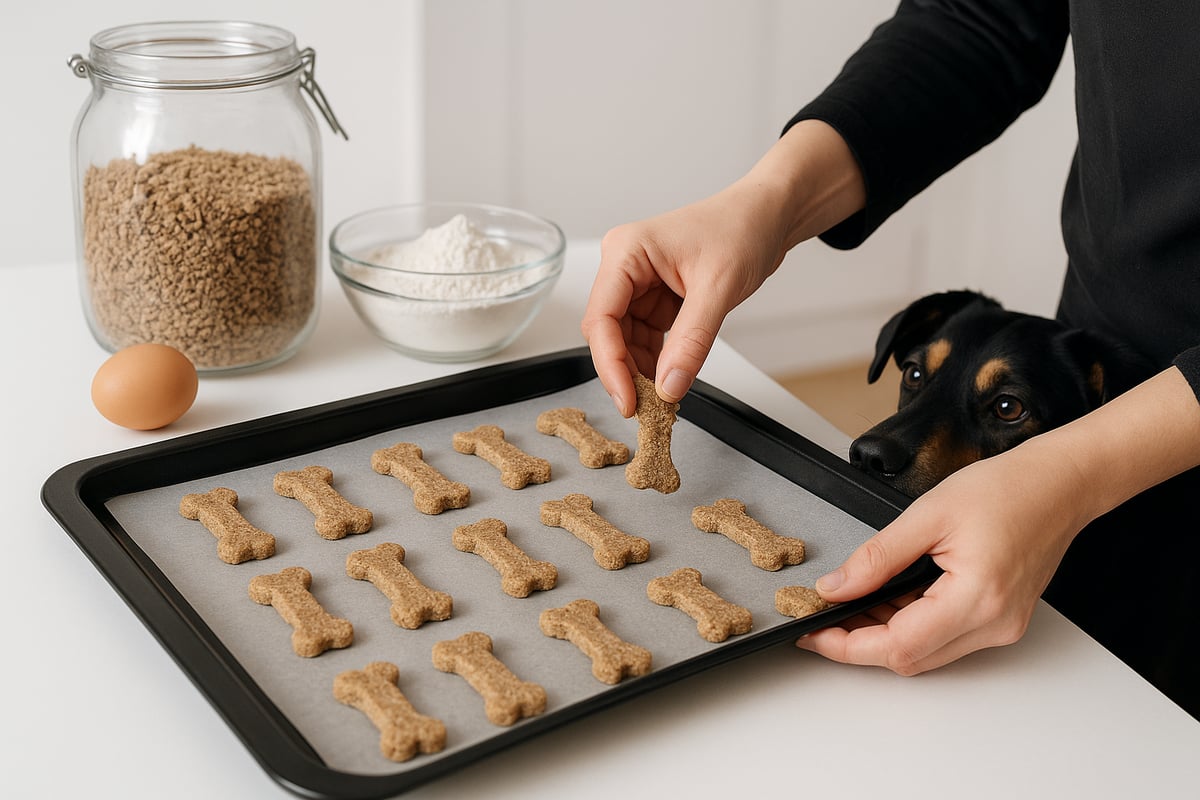
Detailed Steps 1-4
Step 1: Collect and prepare spent grain
Start by getting spent grain from a local brewery or from your own brewing. Check carefully that there are no hop residues left, as hops are toxic to dogs. Let the spent grain cool to room temperature before using it.
Step 2: Mix the ingredients
Measure out 3 dl spent grain, 2 dl flour, 1 egg and 2 tablespoons peanut butter. Mix everything in a large bowl until the batter is smooth. Adjust the amount of flour to get a moldable dough. Spent grain dog treats require a batter that is easy to shape but not too sticky.
Step 3: Shape and cut out candy pieces
Roll out the dough on baking paper to about 1 cm thick. Cut or punch out pieces in any shape you like – bones, hearts or squares. Place the pieces on a baking sheet lined with baking paper.
Step 4: First baking
Preheat the oven to 175°C. Bake the treats for about 30 minutes. This will set them and give them a firm surface. The Spent Grain Dog Treats should be firm but not dry after this first baking.
Detailed Steps 5-8
Step 5: Separate and distribute the pieces
Remove the tray from the oven and carefully separate the pieces from each other. Distribute them evenly on the tray so that the drying is even.
Step 6: Tumble dry at low temperature
Reduce oven temperature to 110°C. Dry the treats for 8–10 hours. The long drying time prevents mold and makes the spent grain dog treats crispy and durable.
Step 7: Cool down and check the consistency
Let the candy pieces cool completely. Check that they are crispy but break easily. If they are too soft, you can dry them further in the oven.
Step 8: Store properly
Place the finished treats in an airtight jar, preferably in the refrigerator. Proper storage will help spent grain dog treats stay fresh longer and reduce the risk of mold.
Baking Tips & FAQs
- Replace the flour with buckwheat or oat flour for gluten-free spent grain dog treats.
- If your dog has an allergy to peanut butter, use pumpkin puree or unsweetened applesauce.
- Make larger batches by doubling the recipe, or smaller batches for small dogs.
- Shape the candy into fun shapes for increased appetite and variety.
Spent grain dog treats can be customized to your dog's needs and preferences. Try different flavors and find your favorite!
Popular Recipes and Flavor Variations
Creating your own spent grain dog treats opens up a world of flavors and textures. Many dog owners appreciate the ability to customize the treat to their dog's preferences. Classics like bacon, beef, pumpkin and apple are always popular, while peanut butter adds extra flavor and energy. Combining spent grain with natural ingredients means you can offer both nutrition and joy in every bite.
Basic Recipes and Advanced Variations
A classic basic recipe for spent grain dog treats usually contains:
 - 2 dl spent grain
 - 1,5 dl vetemjöl eller glutenfritt alternativ
 - 1 ägg
 - 2 msk osötat jordnötssmör
For variety, you can add cooked pumpkin for extra fiber, grated carrot for sweetness, or bacon bits for added flavor. Advanced versions include beef stock, chicken liver, or blueberries for antioxidants. Many breweries in the US and Sweden inspire with their own combinations, making spent grain dog treats a flexible choice for the home baker.
Nutritional supplements, Gluten-free and Consistency adaptation
If you want to increase the protein content, you can add an extra egg or mix in dried meat. For dogs with grain sensitivities, there are recipes where oat flour or almond flour replaces wheat flour. If you want your spent grain dog treats to be extra crispy, dry them longer in the oven on low heat. For a softer texture, shorten the drying time. Always adapt the size and shape to your dog's breed and chewing habits.
| Flavor variant | Extra nutrition | Suitable for |
|---|---|---|
| Bacon | Protein, flavor | Active dogs |
| Pumpkin | Fiber, beta-carotene | Seniors, sensitive |
| Apple | Vitamins, sweetness | Small breeds |
| Beef | Protein, energy | Puppies, working |
Seasonal Adaptation, Inspiration and Supplements
Spent grain dog treats can easily be varied according to the season. In the fall, pumpkin and carrot are suitable, while blueberries and apples are popular in the summer. At Christmas, you can add cinnamon (in small amounts) and decorate with natural colors. Doghouse Nordic's flavor enhancers or other natural supplements can provide extra flavor and nutrition. For more inspiration and a wider selection of dog treats, please visit Dog Treats – assortment & inspiration .
Experimenting with different ingredients allows you to create spent grain dog treats that suit your dog's needs and taste preferences. Try your hand at discovering new favorites with your four-legged friend.
Sustainability, Storage and Sustainable Consumption
Understanding shelf life and proper storage is crucial when making spent grain dog treats at home. Good storage practices not only extend the shelf life of the treats but also protect your dog from unwanted bacteria and mold. You also contribute to more sustainable consumption by making use of brewery residues and reducing food waste.
Storage tips for maximum durability
Spent grain dog treats keep best when stored properly from the start. Allow the treats to cool completely after baking before storing in an airtight container. For longer shelf life, it is recommended to store the container in the refrigerator or freezer, especially if you are baking a larger batch.
For extra shelf life, you can dry the treats in the oven at a low temperature for several hours. This reduces moisture content and prevents mold growth, which is especially important for spent grain dog treats as grain-based products can easily absorb moisture.
How long do spent grain dog treats last?
Homemade spent grain dog treats have a shorter shelf life than commercial products. At room temperature, they often last 3–5 days in an airtight container. In the refrigerator, they can last up to two weeks and in the freezer for several months.
Watch for signs such as changes in odor, discoloration, or visible mold. If you see these signs, throw away the candy immediately. Freezing the candy in portioned bags makes it easy to take out just the right amount and reduces the risk of the entire batch being spoiled.
Summary of sustainability
| Storage | Sustainability |
|---|---|
| Room temperature | 3–5 days |
| Refrigerator | Up to 2 weeks |
| Freezer | 2–3 months |
Sustainable consumption and environmental benefits
Making your own spent grain dog treats is a great way to reduce food waste and contribute to a more circular economy. Up to 85 percent of breweries’ by-products are spent grain, which shows the great potential for reuse. By collaborating with local breweries, you can easily access fresh brewery leftovers while supporting sustainable initiatives in your local area.
According to Spendrup's 2022 sustainability report, a significant portion of spent grain is recycled, which reduces climate impact and contributes to a more resource-efficient society.
Want to go a step further? Use leftover spent grain from your spent grain dog treats to create compost or as a soil improver in the garden. This way, all the nutrients are retained and nothing goes to waste.
Tips for reducing food waste even in the household
- Bake smaller batches of spent grain dog treats if you have a small dog.
- Divide the candy into smaller packages and freeze.
- Share with friends or neighbors who have dogs.
- Use leftovers for other sustainable projects, such as homemade snacks for other animals (after safety check).
By thinking sustainably when storing, consuming and reusing spent grain dog treats, you contribute to both your dog's health and the environment. It's an easy step towards more responsible dog ownership.
Frequently Asked Questions and Answers about Spent Grain Dog Treats
Exploring spent grain dog treats raises many questions for both new and experienced dog owners. Here we gather the most common concerns, practical advice and facts for those of you who want to give your dog a sustainable and healthy treat alternative.
Are spent grain dog treats safe for all dogs?
Yes, spent grain dog treats are generally safe for most dogs, provided they do not contain hops. Hops are toxic to dogs and should never be included in the treat. Always check that the spent grain is hop-free and that no other dangerous ingredients are added.
How much spent grain dog treats can I give my dog?
The amount depends on the dog's size, age and activity level. A rule of thumb is that treats should not make up more than 10% of the daily calorie intake. Adjust the amount to your dog and start carefully if it is the first time.
Can I buy spent grain dog treats if I don't brew my own?
Yes, there are commercial versions on the market, especially in larger cities and via online stores. Always check the ingredients list and choose products with clear labeling. Please read more about the importance of correct labeling in the article Insufficient ingredient labeling on dog treats .
What ingredients go well with spent grain dog treats?
Common and popular additives include peanut butter, bacon, pumpkin, apple, and beef. Choose ingredients that your dog can tolerate and enjoy. Avoid chocolate, onions, and certain nuts, which are toxic to dogs.
How do I avoid mold and bacteria in spent grain dog treats?
Always dry the candy thoroughly and store it in an airtight container in the refrigerator or freezer for longer shelf life. Check regularly for signs of mold or bad odors.
Can spent grain be used for pets other than dogs?
Spent grain dog treats are specifically formulated for dogs. Other pets may have different nutritional needs and sensitivities, so always consult a veterinarian before feeding spent grain to, for example, cats or rodents.
What should I consider when buying commercial spent grain dog treats?
Make sure the product is free of hops and unnecessary additives. Choose brands that clearly state the origin and content. Read up on the producer and check if they collaborate with local breweries for sustainability.
How do I introduce spent grain dog treats to a sensitive dog?
Start with small pieces and observe your dog's reaction. If the stomach reacts negatively, wait or consult a veterinarian. Spent grain dog treats are often gentle on the stomach, but each dog is unique.
How many dog owners in Sweden make their own dog treats?
According to trend reports, the number of home projects and interest in spent grain dog treats is increasing rapidly. Exact figures are lacking, but forums and social media indicate growing engagement.
Where can I find more recipes and inspiration?
For more ideas on healthy and customized treat recipes, please visit Healthy puppy treats ideas which offers inspiration for both puppies and adult dogs.
In conclusion, spent grain dog treats are an excellent choice for those who want to combine sustainability and dog health. Always adapt to your dog's needs and do not hesitate to consult a veterinarian if you are unsure. Good luck with your baking!