

Organ Meat For Dogs Guide: Expert Insights 2026
Discover why organ meat for dogs has become one of the most talked about trends in dog nutrition in 2026. More and more dog owners and experts are now discussing the role of organs as a nutritious superfood for your dog.
This guide provides a scientifically based and practical overview of organ meat for dogs. You'll learn what organ meat is, its nutritional value, potential benefits and risks, and how it's best used in dog food.
We'll go over expert advice, frequently asked questions, and give you concrete tips to boost your dog's health with the right diet. Are you ready to take the next step for your dog? Read on for key insights and advice from leading specialists.
What is organ meat and why is it important for dogs?
Organ meat has become a central part of the discussion about optimal dog nutrition. Many are looking for answers to why organ meat for dogs is highlighted as a nutritional superfood. Here we explain what organ meat is, its nutritional value and why it is so important for dog health.
Definition and types of organ meat
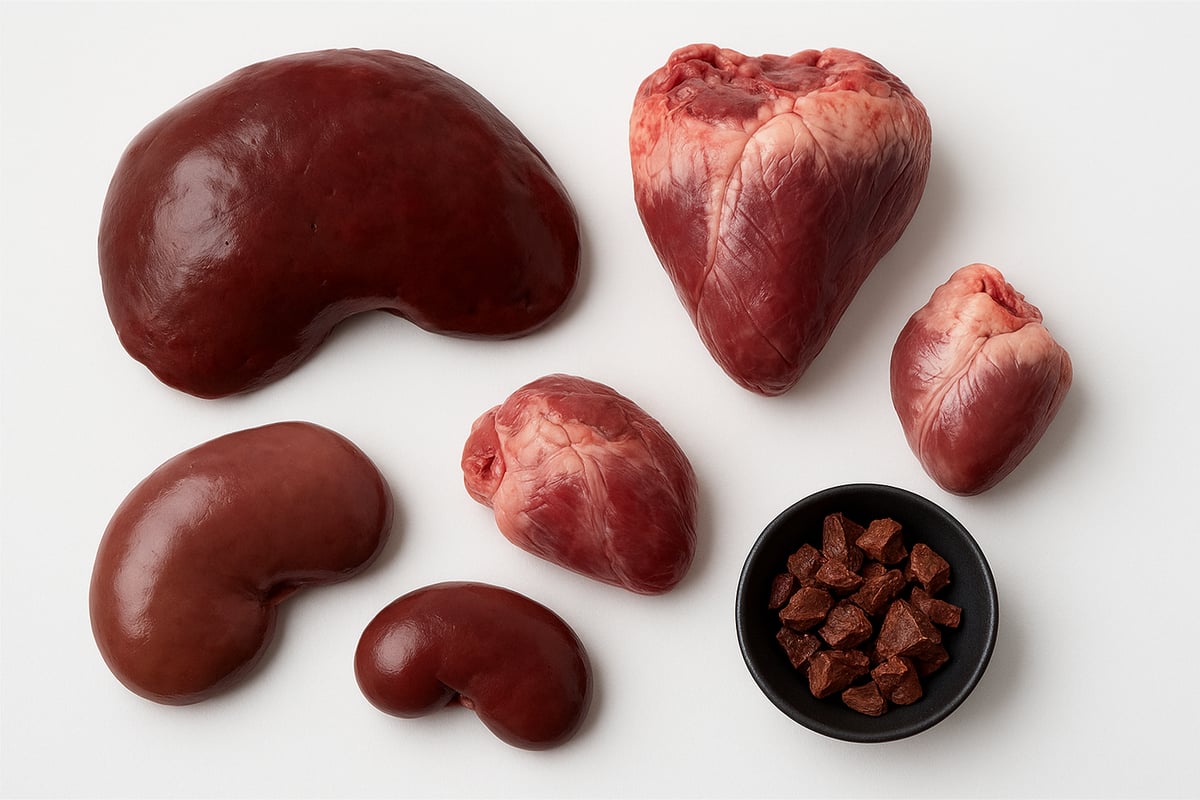
Organ meats include parts such as the liver, heart, kidney, lung, stomach (rumen) and sometimes even the brain. These organs are distinguished from muscle meat by their unique nutritional profile and function in the animal's body. Organ meat for dogs typically includes organs from beef, poultry, lamb and pork.
In many cultures, such as France, Mexico and China, organ meats are a natural part of both human and animal diets. In traditional dog food, these parts are often used to achieve nutritional balance and variety. Understanding the difference between muscle meat and organ meat is crucial to providing your dog with a complete diet.
Nutritional profile and bioavailability
Organ meat is known for its extreme nutrient density. It is rich in vitamins A, D, E, K, as well as B vitamins, iron, zinc, copper and selenium. These nutrients in organ meat for dogs are also easily absorbed by the dog's digestive system.
A particular advantage is that dogs cannot produce vitamin D3 themselves and must obtain it through their diet. Organ meats often contain higher levels of iron, copper and zinc than muscle meat. Studies also show that organs from grass-fed animals provide even higher nutritional value.
Historical and evolutionary significance
Dog ancestors, such as wolves, ate their entire prey, including organs. Organ meat was therefore a natural and important part of the diet of wild dogs. This evolutionary adaptation means that today's dogs have the ability to digest and utilize organ meat for dogs very efficiently.
Feeding organ meat to dogs is not a new trend, but rather a return to their original diet, which strengthens the argument for including organs in modern dog food.
Myths and misconceptions
There are still many myths surrounding organ meat for dogs. Some believe that organ meat is dangerous or that dogs don't like the taste. In fact, most dogs love the taste of organs due to their high palatability.
Another common misconception is that organ meats are just “fillers.” The facts show that they are a nutritious superfood that provides essential vitamins and minerals, making organ meats a valuable addition to your dog’s daily diet.
Practical examples and applications
Organ meat is used in many ways today: as an ingredient in fresh food, BARF, homemade food or as a tasty topping. Beef liver is known as a strong source of vitamins, while heart provides a natural taurine boost for organ meat for dogs.
Commercial products, such as 100% Beef Heart Dog Treats , offer convenient and nutritious options for dog owners who want to give their dogs the best. Regularly including organ meats in the diet provides both variety and extra nutrition.
Nutritional Benefits of Organ Meat for Dogs
Organ meats have become increasingly popular as dog owners seek the best options for their pets' health. Research shows that organ meats for dogs provide a nutritional density that is hard to beat, and many experts consider organs to be one of the most valuable additions to a balanced dog diet.
Vitamins and minerals: what does the dog get?
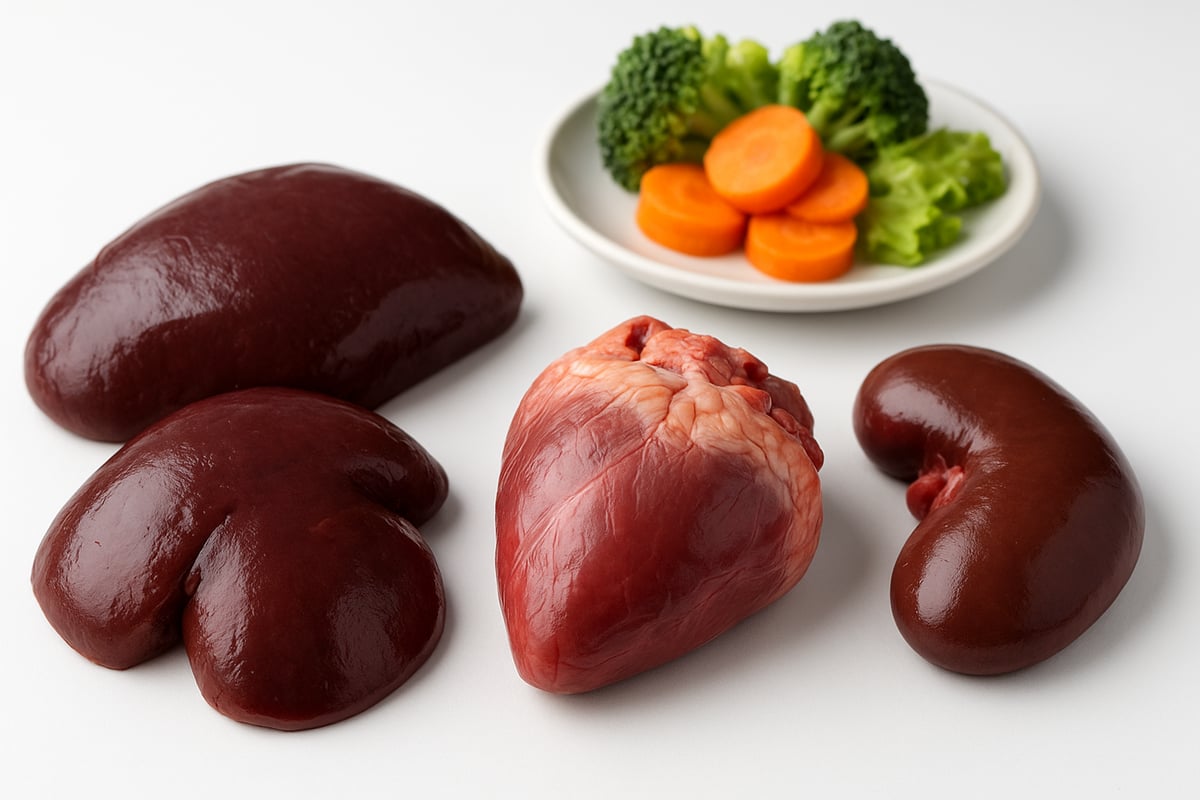
Organ meats are known for their wide range of vitamins and minerals. Liver in particular is extremely rich in vitamin A, which supports vision, skin and immune function. Dogs also need vitamin D3, which they cannot produce themselves, and organ meat for dogs is one of the best natural sources.
Other important substances are B vitamins, iron, zinc, copper and selenium. These contribute to blood formation, cell protection and metabolism. The iron content in organ meat is up to ten times higher than in muscle meat. By choosing organ meat for dogs from grass-fed animals, you also get an even higher nutritional value.
Proteins and amino acids
Organ meats are an excellent source of high-quality protein for dogs. Heart naturally contains taurine, an amino acid that is essential for heart and eye health. Kidney and liver also contribute unique amino acid profiles.
Including organ meat for dogs in their diet ensures that your dog gets a full range of essential amino acids needed for growth and recovery, making organ meat a powerful supplement, especially for growing or active dogs.
Essential fatty acids and antioxidants
Several organs, such as the heart and liver, contain essential fatty acids. Omega-3 and omega-6 contribute to healthy skin, a shiny coat and a strong immune system. Vitamin E and selenium act as antioxidants and protect cells from damage.
By giving organ meat for dogs, the dog not only gets energy and building blocks for the body, but also protection against oxidative stress. This is especially important for older dogs or animals with high activity levels. Here , Hokuō® Coronary Heart is an illustrative example of a nutritious organ with high levels of taurine, B12 and iron.
Health effects and clinical observations
Regular intake of organ meat for dogs has been shown to provide several measurable health benefits. Many dog owners note improved fur, increased energy and faster recovery after exercise or illness. The immune system becomes stronger thanks to the concentrated nutrients.
Veterinarians also report that dogs with previous nutritional deficiencies quickly show improvement when organ meats are introduced. For puppies and pregnant bitches, it can be crucial for optimal growth and development.
Comparison of muscle meat and commercial dog food
When comparing organ meat for dogs to regular muscle meat, clear differences emerge. Organ meat contains significantly more iron, copper and vitamin A. Commercial dog food often has a lower proportion of organs, which can lead to a lack of certain nutrients.
| Nutrient | Organ meat | Muscle meat | Commercial food (cut) |
|---|---|---|---|
| Iron | High | Means | Low |
| Vitamin A | Very high | Low | Low |
| Taurine | High (heart) | Low | Low |
Only 10–20% of commercial dog food contains a significant amount of organ meat for dogs, making fresh organs an important supplement.
Expert advice and scientific findings 2026
In recent years, several studies have confirmed that organ meat for dogs provides higher absorption of vitamin D3 and iron than other protein sources. Nutritionists recommend varying between different organs to achieve the best nutritional balance.
Veterinarians also see positive effects, especially in dogs with allergies or sensitive stomachs. Using organ meat for dogs as a complement to complete food is considered one of the most effective ways to provide your dog with a complete and healthy diet.
How often and how much organ meat should dogs get?
Understanding the right amount of organ meat for dogs is crucial to a balanced and nutritious diet. Here you will get expert advice on dosage, adaptation, safety and practical feeding tips to give your dog the best possible health.
Recommended amounts and distribution
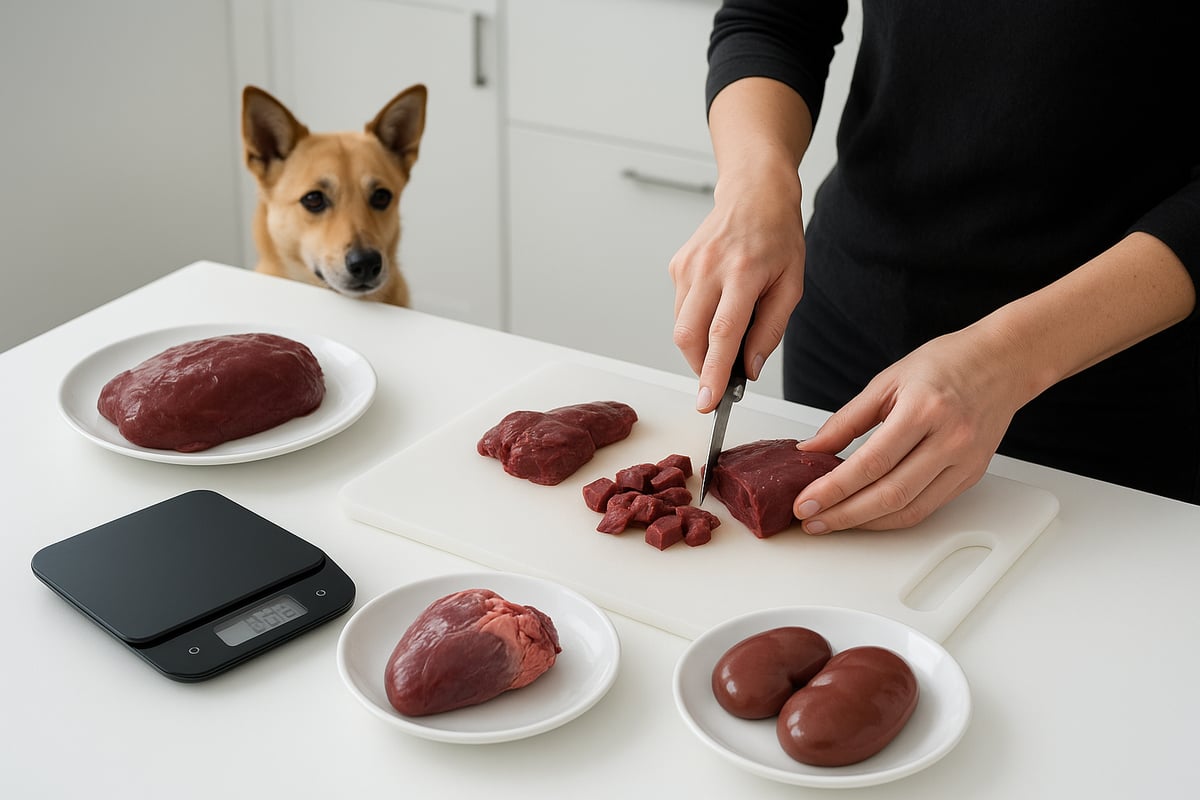
According to experts, organ meat for dogs should make up about 5–10% of the total diet. Liver is particularly nutritious but should not be given in excessive amounts, max 5% of the daily intake, to avoid excess vitamin A. Heart, kidney and lung can be given more liberally but always within the framework of a balanced diet.
To ensure proper nutritional intake, you can use this table for portion sizes:
| Dog's weight | Total organ volume/day | Max liver/day |
|---|---|---|
| 5 kg | 10–20g | 5g |
| 15 kg | 30–60g | 15g |
| 30 kg | 60–120g | 30g |
How much organ meat for dogs is appropriate also depends on the dog's other diet. It is important to consider the overall picture, which is discussed in Feeding pets - how easy/difficult is it to meet the nutritional needs of animals? from the Swedish University of Agricultural Sciences.
Adaptation by age, breed and activity level
The need for organ meat for dogs varies depending on age, breed and activity level. Puppies and pregnant bitches need more nutrition for growth and development, but the amount of organs must still be adjusted to avoid an overdose of fat-soluble vitamins.
Older dogs may have more sensitive digestion and should be introduced to organ gradually. Active dogs or working breeds may benefit from organ meat for dogs for energy and recovery, while small or sensitive breeds may need smaller amounts and a longer acclimatization period.
Safety and risks of overdose
Feeding too much organ meat for dogs, especially liver, can lead to vitamin A poisoning. Symptoms include lethargy, loss of appetite, and bone problems. Excess amounts of certain minerals, such as copper and iron, can also put a strain on the kidneys.
Case studies show that dogs given excessive amounts of liver over a long period of time are at risk of health problems. Therefore, it is important to follow recommended amounts and always be aware of changes in your dog's health.
Introduction and conversion
When introducing organ meat for dogs, you should start with small amounts and gradually increase the dose. This reduces the risk of stomach upset and gives the digestive system time to adjust.
A good tip is to mix small pieces of organ meat with regular food or use as a topping. This way the dog gets used to the taste and texture without overloading the stomach.
Example of feeding schedules
To provide variety and good nutritional balance, you can create a simple weekly schedule for organ meat for dogs:
- Monday: liver
- Wednesday: heart
- Friday: kidney
- Other days: muscle meat and complete food
You can also make homemade treats or use small pieces of cooked heart as a reward. Combining different organs throughout the week provides a broader nutritional spectrum and reduces the risk of overdosing on individual substances.
Advice from veterinarians and nutritionists
Veterinarians recommend that you always consult an expert before making major changes to your dog's diet, especially if your dog has allergies, illnesses, or special diets. For dogs with allergies, certain organs may be better than others, and sometimes special cooking methods are required.
Organ meat for dogs is a valuable supplement, but every dog is unique. An individualized plan, preferably in consultation with a veterinarian or nutritionist, will provide the best results and ensure that your dog is getting all the important nutrients.
How to choose and cook organ meats for your dog
Choosing and preparing organ meat for dogs requires both knowledge and care. Proper handling provides maximum nutrition and minimizes the risk of bacteria. Let's go over what you should consider to ensure your dog gets the very best.
Quality and origin – what to consider?
The quality of organ meat for dogs is crucial for nutritional value and safety. Always choose Swedish, organic and fresh organ meat when possible. Avoid organs from animals treated with growth hormones or antibiotics. Fresh meat has the highest nutritional content, while frozen and dried organ meat are practical alternatives for longer storage.
Compare different types of organ meat for dogs in the table below:
| Type | Nutritional value | Sustainability | Management |
|---|---|---|---|
| Fresh | Highest | 2–3 days in the refrigerator | Sensitive, requires quick consumption |
| Frozen | Very high | 3–6 months | Portion before freezing |
| Dried | High | 2–3 months | Practical as candy, easy to store |
Prioritizing origin and quality makes a big difference to your dog's health.
Hygiene and storage
Organ meat for dogs is susceptible to bacteria and requires good hygiene. Always handle organs with clean hands and utensils. Store fresh organ meat cold, preferably below 4 degrees, and use within two to three days. Feel free to divide into smaller portions and freeze if you don't use it all right away.
A good tip is to label portion bags with the date before freezing organ meat for dogs. This way you avoid using old meat and save time when cooking.
Cooking methods: raw, cooked or dried?
There are several ways to prepare organ meat for dogs. Raw meat has the highest nutritional value but carries a certain bacterial risk, especially for puppies and older dogs. Cooked organ meat is safer, as the heating reduces bacteria, but some vitamins may be lost. Dried organ meat is both flavorful and convenient as a treat or topping.
For dogs with sensitive stomachs, cooked organ meat for dogs may be the best option. Oven drying is an easy way to make healthy snacks without additives.
Avoid these mistakes
When handling organ meat for dogs, there are some common mistakes to avoid:
- Never feed old, discolored or smelly organs.
- Do not overheat the meat, some vitamins are destroyed at too high a temperature.
- Never give raw organ meat to immunocompromised dogs without the approval of a veterinarian.
By following this advice, you will reduce the risk of health problems and maximize the benefits of organ meat for dogs.
Practical tips and recipes
There are many ways to use organ meat for dogs in everyday life. A popular tip is to dry liver in the oven to create homemade dog treats. Small pieces of cooked heart work great as a topping on dry food or as a reward during training. Combine with vegetables for a complete, balanced meal.
Want more ideas? Check out Best Natural Dog Treats for inspiration on natural snacks and organ meat toppings.
Sustainability and environmental aspects
Using organ meat for dogs is a climate-smart choice. By using the whole animal, you reduce food waste and contribute to more sustainable meat consumption. Swedish production of organ meat also has a lower climate impact compared to imported products.
Organ meat is not only good for your dog, it's also a conscious choice for the environment. Remember to always store and cook the meat properly for best results.
Potential risks and frequently asked questions about organ meats
Using organ meat for dogs offers many nutritional benefits, but there are also some risks to be aware of. By understanding the potential dangers and listening to expert advice, you can provide your dog with a safe and balanced diet.
Health risks and contraindications
Raw organ meat for dogs can contain bacteria or parasites, making it especially important to handle and cook the meat properly. Puppies, older dogs, and immunocompromised dogs are especially susceptible to these risks. An excess of certain vitamins and minerals, especially vitamin A from liver, can lead to symptoms of poisoning such as fatigue or joint problems.
Allergic reactions do occur, although they are uncommon, so always introduce new organs slowly.
Expert advice in case of illness and special diets
In certain health conditions, organ meat for dogs should be avoided or given in very limited quantities. For example, dogs with kidney problems should not be given kidney or liver, as these organs can put additional strain on the kidneys. If your dog has an autoimmune disease, or has a compromised immune system, it is recommended that a veterinarian be consulted before introducing new animal products.
In some cases, cooked organ meat may be a better option than raw.
Organ meats and commercial dog food
Most commercial complete foods already contain some amount of organ meat for dogs, but often in smaller proportions than recommended for optimal nutrition. If you supplement with extra organs, it is important not to exceed recommended amounts, especially if the food is already fortified with vitamins and minerals.
According to statistics, 70% of Swedish dog owners sometimes give organ meat as a supplement. For more insight into trends and composition in natural dog food, please read about Natural Dog Food Trends .
Frequently Asked Questions (FAQ)
Can I feed my dog raw liver? Yes, but only in small amounts and with good hygiene. How often is it safe to feed organ meat for dogs? The guideline is 1–2 times a week, depending on the dog's size and health.
Which organs are best for small dogs? Liver and heart in small pieces are often the most easily digestible. Can organ meat for dogs cause diarrhea? Yes, especially if introduced too quickly or in large quantities. How do I know if my dog can tolerate organ meat? Start with small amounts and observe reactions.
Tips for a safe introduction
For a safe transition to organ meat for dogs, always start with small portions and increase gradually. Mix with regular food to aid digestion. Observe your dog for any side effects, such as loose stomach or itching.
If in doubt, always contact your veterinarian for personalized advice.
How to supplement with high-quality feed
Feeding organ meat for dogs can provide your dog with a natural nutritional supplement, but it is important to ensure that the diet is balanced. Organ meat is nutrient-dense but does not cover all nutritional needs. Therefore, it is recommended to always combine organ meat with a complete food that is complete and approved according to established guidelines.
Balance between organ meat and complete food
An optimal diet for your dog means that organ meat for dogs is used as a valuable supplement, not as a main food. Complete food is specifically formulated to provide the right balance of protein, fat, vitamins and minerals. Organ meats provide extra nutrients, but to avoid deficiencies or excesses, it is important that the bulk of the diet still consists of whole food.
| Type of feed | Nutritional balance | Benefits |
|---|---|---|
| Complete feed | Complete | Safe, balanced |
| Organ meat | Complement | Nutritious, tasty |
Combining these reduces the risk of nutritional imbalance and provides the best possible health.
Doghouse Nordic – Swedish dog food and snacks of the highest quality
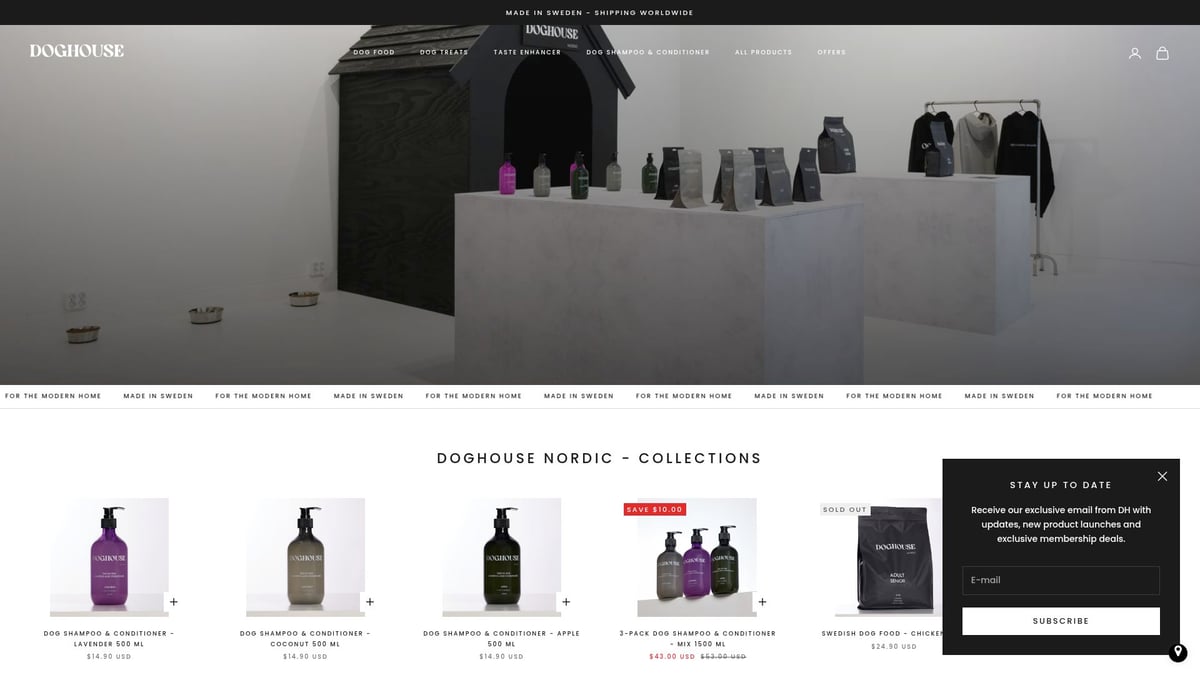
A high-quality Swedish complete food, such as Doghouse Nordic, can be an excellent choice for those who want to supplement organ meat for dogs in a safe way. The food is grain-free, rich in organic ingredients and developed to suit even sensitive dogs. Doghouse Nordic dog treats and flavor enhancers are ideal as a reward or topping together with organ meat, creating a taste experience and ensuring the right nutritional balance.
Practical advice for a balanced diet
When including organ meat for dogs in your dog's diet, consider using it as a supplement. Mix small amounts of organ meat with whole foods and vegetables to create a complete meal. Always follow recommended amounts and adjust according to your dog's age, size and activity level. Please consult your veterinarian if you are unsure of the proportions.
- Use organ meats as a topping, not a main course
- Always combine with complete food
- Adjust the amount according to the dog's needs
Future trends in dog nutrition (2026 and beyond)
More dog owners are demanding natural ingredients and transparency about content. Research shows that organ meat for dogs can contribute to increased bioavailability of important nutrients, but it requires careful balance. Organic and Swedish-made complete foods are expected to become increasingly common, and the focus on sustainability and individualized nutrition is increasing.
Summary expert tips for 2026
Vary between different types of organ meat for dogs to provide a wide range of nutritional intake. Always choose high-quality products that are produced in Sweden to ensure purity and nutrition. A balanced diet, where organ meat is supplemented with complete food, is best for the dog's long-term health. Always consult a veterinarian for individualized feeding.