
Royal Canin Treats Guide: Discover the Best Choices in 2026
Looking for the best way to reward your four-legged friend in 2026? Royal Canin treats are more than just a tasty treat, they are an investment in your dog or cat's well-being.
In this guide, you will learn how to choose the right Royal Canin treats for your pet, based on their needs, taste and health. We give you a clear overview of different types, uses, comparisons and expert tips.
Discover how treats can contribute to animal health, create motivation and strengthen the bond between you and your pet. Read on to find the optimal choice for your four-legged friend.
What are Royal Canin Treats?
Royal Canin treats have become a household name for pet owners who want to give their dogs and cats something extra special. But what makes these treats special, and how do they differ from other products on the market? To understand this, we need to take a closer look at Royal Canin’s long history and their scientific approach.
Overview and history
Royal Canin was founded in 1968 by a veterinarian with the vision of creating food and treats based on scientific research. Today, Royal Canin treats are an extension of this philosophy, with products developed in collaboration with veterinarians and nutritional experts.
Unlike regular food, Royal Canin treats are specifically designed to complement your pet's daily diet without disrupting their nutritional balance. Research and quality are at the heart of the entire development process. Each treat undergoes rigorous testing to ensure it is suitable for animals with different needs, from sensitive stomachs to allergies.
An example of this is Royal Canin Veterinary Diets, which offers special treats for animals with specific health challenges. Statistics show that Royal Canin is one of the world's most trusted brands in animal nutrition, which underlines the company's strong position and expertise.
For those who want to delve deeper into the content and areas of use , Royal Canin Training Treats' content and benefits are available to read more about, which demonstrates the company's careful development process.
Types of Royal Canin Treats
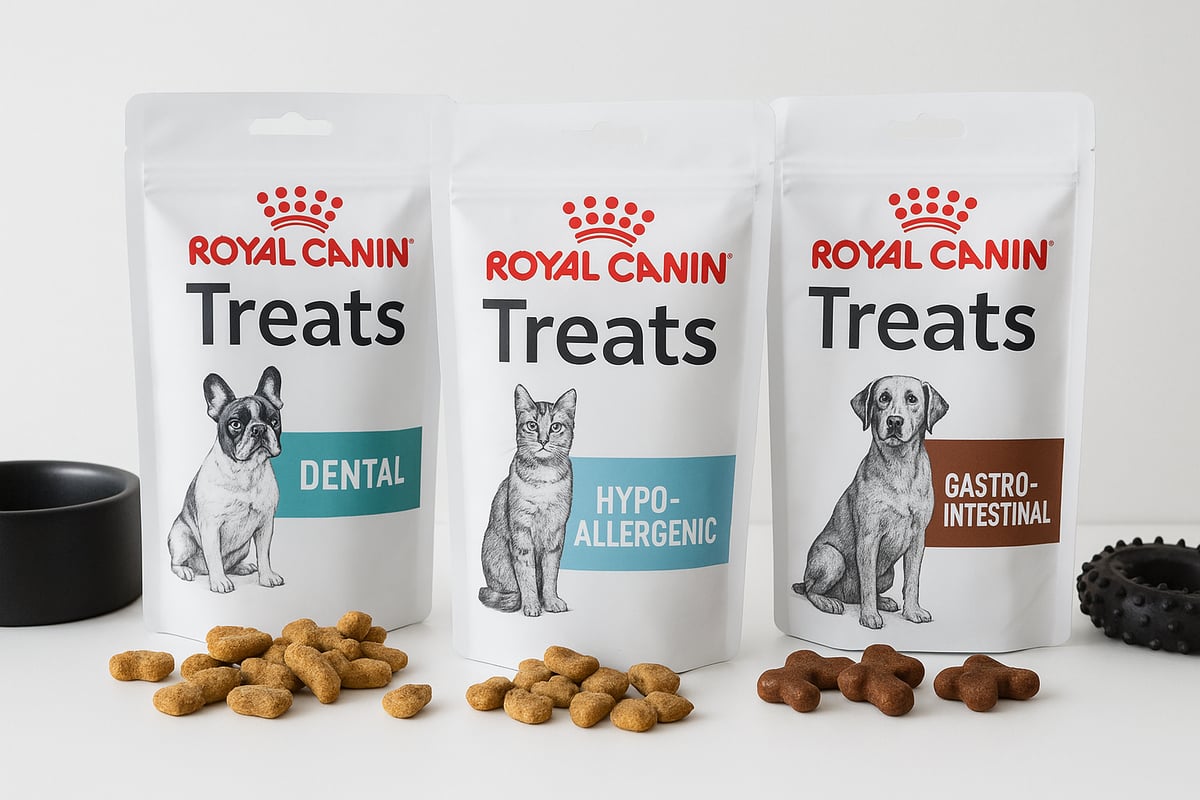
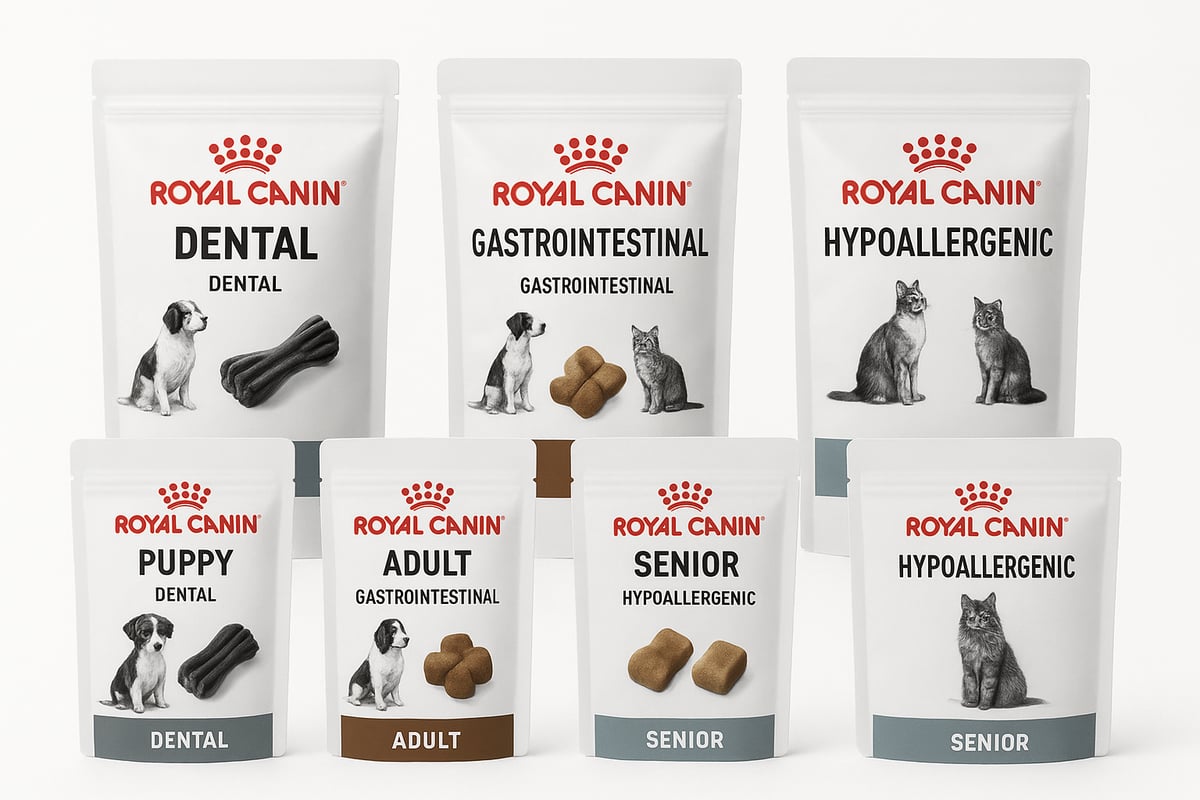
The range of Royal Canin treats is wide and includes several specialized varieties. For dogs, there are, for example, dental treats for oral health, gastrointestinal treats for sensitive stomachs and hypoallergenic treats for allergic individuals. For cats, correspondingly customized products are offered, often with a focus on digestion and dental care.
The difference between dog and cat treats lies primarily in the composition, where each variant is optimized for the physiology of the respective species. There are many areas of use: as a reward during training, support for health conditions or as daily encouragement.
A popular product is Veterinary Diets Dog Gastrointestinal Treats, specially formulated for dogs with sensitive stomachs. Market data also shows that demand for functional and specialized treats is increasing. When compared to other players in the industry, Royal Canin treats often offer more targeted solutions for different needs.
Here is a summary table of some common types:
| Type | Area of application | Example (Dog/Cat) |
|---|---|---|
| Dental | Oral health | Dental Treats |
| Gastrointestinal | Digestion | Gastrointestinal Treats |
| Hypoallergenic | Allergies | Hypoallergenic Treats |
When and why to use treats?
Royal Canin treats play an important role in training and reward systems. The right treats increase the animal's motivation and make learning more fun. In addition to training, treats are often used as a food supplement for specific health conditions, for example to support dental health, digestion or fur.
Veterinarians sometimes recommend treats as part of treatment, especially if the animal has special needs. Statistics show that the demand for functional treats has increased significantly in recent years, reflecting pet owners' increased awareness of animal health.
Whether it's for reward, health support or training, it's important to choose the right Royal Canin treats to achieve the best results.
How to Choose the Right Royal Canin Treats 2026
Choosing the right Royal Canin treats can be overwhelming given the wide range of options and the individual needs of your pet. By following a structured process, you increase your chances of finding the perfect treat for your dog or cat. Here, we guide you step by step to ensure your pet gets the healthiest and tastiest Royal Canin treats in 2026.
Step 1: Know your animal's needs
The first step to choosing the right Royal Canin treats is to understand your pet's specific needs. A puppy or kitten has completely different nutritional requirements than an adult or senior. Puppies and kittens often need extra energy and nutrition for growth, while seniors may benefit from treats with joint or digestive support.
If your pet has allergies, a sensitive stomach, is overweight or has dental problems, it is especially important to choose the right variety. For example, there are special products such as Royal Canin Hypoallergenic Treats product description that are developed for dogs with allergies.
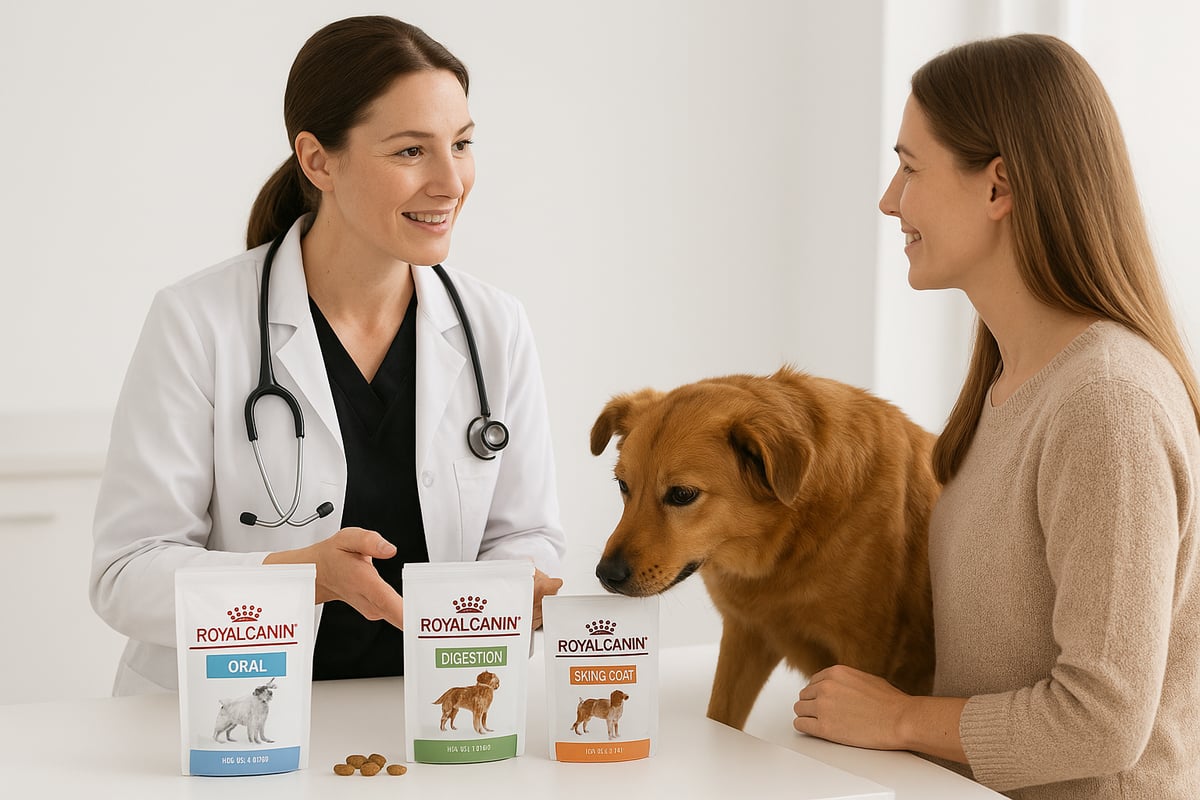
A good advice is to always consult a veterinarian before making a major change or introducing new treats, especially if the animal has any kind of health problems. The veterinarian's recommendations will help you avoid mistakes and find the most suitable Royal Canin treats.
Step 2: Compare different products
Once you have mapped out your needs, the next step is to compare the different Royal Canin treats available. Always read the ingredients list carefully. Note the amount of protein, fat and any additives. For animals with sensitive stomachs, it is especially important to avoid unnecessary additives.
The differences between Royal Canin Veterinary Diets treats and regular treats often lie in their composition and purpose. The Veterinary products are formulated to support specific health conditions and may sometimes require a prescription, while the regular ones are suitable for most healthy animals.
Here is a simple comparison table:
| Type of treat | Purpose | Requires a prescription | Price range (SEK) |
|---|---|---|---|
| Veterinary | Health support in case of illness | Yes | 60–120 |
| Standard | Reward & daily use | No | 40–90 |
Also compare price per serving and quantity in the package. It is wise to weigh both price and nutritional value to find the best value among Royal Canin treats.
Step 3: Try and evaluate
Once you have chosen one or more Royal Canin treats, it is important to introduce them gradually. Start with small amounts and observe how your pet reacts, both in terms of appetite and stomach. This is especially true if the pet has previously had sensitivities.
Avoid over-rewarding – even healthy treats can lead to obesity if the amount is too large. One tip is to use treats as motivation during training or as extra appreciation on special occasions.
Note changes in your pet's behavior, coat or energy level after you start using new treats. Statistics show that 70% of pet owners notice increased motivation and happiness in their pets after they start using the right Royal Canin treats.
Step 4: Adapt to lifestyle and activity level
All animals are different in activity and have different routines. A very active dog may need more or more energy-rich Royal Canin treats than a less active one. Choose training treats for play and training, and dental treats for daily oral care.
For cats that are indoors most of the day, it may be wise to choose lighter snacks to avoid obesity. Feel free to combine different types to vary the reward and provide support for both dental health and digestion.
By adapting your choice of Royal Canin treats to your dog's or cat's lifestyle, age and activity level, you can maximize both well-being and happiness - every day.
Royal Canin Treats: Advantages and Disadvantages
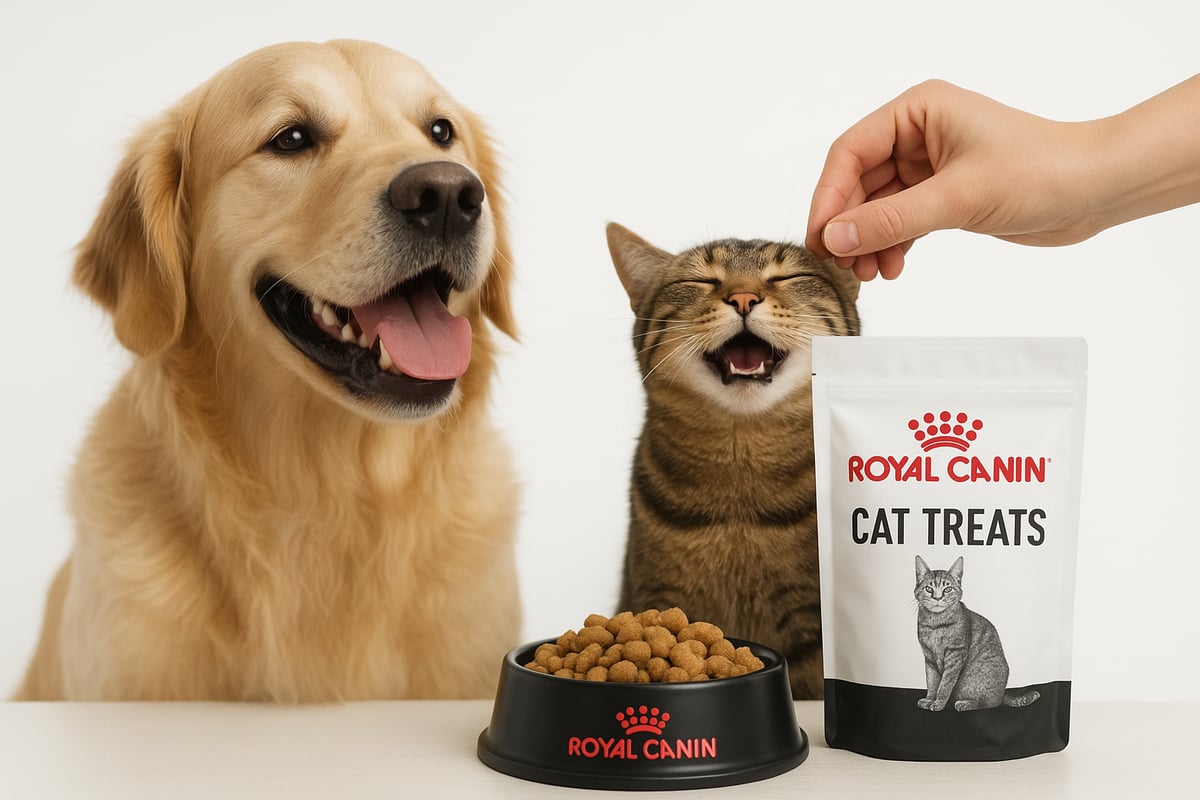
Choosing the right treats for your pet can feel overwhelming. Royal Canin treats are a popular choice among both dog and cat owners, but what are the strengths and weaknesses of these products? Below is a thorough review of both the advantages and disadvantages, as well as a summary comparison to help you make an informed decision.
Benefits
Royal Canin treats have several clear advantages. First and foremost, they are scientifically formulated to meet the specific health needs of both dogs and cats. Research and clinical studies form the basis of each product, which provides confidence in the choice.
- Wide variety : The range includes everything from dental to hypoallergenic and gastrointestinal treats.
- High palatability : Many pet owners find that their animals love the taste, which makes it easier when training or administering medication.
- Functional benefits : For example, dental treats help reduce plaque and tartar, while Royal Canin Skin & Coat Chews promote healthy skin and a shiny coat.
- Easy to dose : Clear instructions and portion sizes make it easy to give the right amount.
Royal Canin treats are often used as part of a vet-recommended treatment, for example for sensitive stomachs or allergies. The products have been developed with a focus on safety and effectiveness for different needs and life stages.
Disadvantages
Despite the many advantages, there are also disadvantages to consider with Royal Canin treats. The price is usually higher than for generic treats, which can affect the household's finances if used frequently.
- Limited supply : Some varieties are only available at select retailers or require a veterinary prescription.
- Veterinary Diets : Products in this category can be difficult to obtain without a prescription, which can delay availability when the animal needs them urgently.
- Sensitivity to certain ingredients : Some animals may react to specific additives, although these treats are often hypoallergenic.
Royal Canin treats may be less available in smaller stores, which means you may need to order online or visit a veterinary clinic. It is also important to follow dosage instructions to avoid overweight, especially if treats are used daily.
Summary comparison
How do Royal Canin treats compare to other brands? The table below provides an overview of some important factors to consider:
| Property | Royal Canin Treats | Standard candy |
|---|---|---|
| Scientifically tested | Yes | Often no |
| Custom-made | Yes | Rarely |
| Price | Higher | Lower |
| Palatability | Very high | Varying |
| Availability | Limited | Wide |
Statistics show that Royal Canin treats rank highly in customer satisfaction surveys, especially among pet owners with specific health requirements. Although the price is higher, it can be worth the investment when your pet's health is at the forefront. Consider whether your pet has special needs before choosing a premium option.
Popular Royal Canin Treats 2026: Product Overview
Finding the right Royal Canin treats can be crucial to your pet's well-being. The range is wide and tailored for both dogs and cats, with a focus on everything from sensitive stomachs to dental health and allergies. Below we review the most popular options for 2026, so you can easily find the variant that suits your pet.
Dog: Top Choices and Special Needs
When it comes to Royal Canin dog treats, the range is both wide and specialized. Many dog owners choose Royal Canin Veterinary Diets Dog Gastrointestinal Treats for dogs with sensitive stomachs. These treats are specifically formulated to support digestion and are often used on the recommendation of a veterinarian. Dental treats are another popular choice, thanks to their ability to reduce plaque and contribute to better oral hygiene when used daily.
For dogs with allergies or sensitivities, there are hypoallergenic treats, which are carefully formulated to reduce the risk of reactions. A growing area is Royal Canin weight management treats, such as Royal Canin Satiety Weight Management Treats , which help keep your dog's weight under control without compromising on taste.
Veterinarians often recommend tailoring your choice of Royal Canin treats to your dog's specific needs, whether it's a sensitive stomach, dental health or weight management. It's important to read product information carefully to find the most suitable option.
Cat: Favorites and functional snacks
For cats, Royal Canin treats offer an equally well-thought-out range. Gastrointestinal treats for cats are developed to support digestion and are particularly suitable for animals with sensitive stomachs. These treats are often small in size, making them easy for the cat to chew and digest.
Dental treats for cats have become increasingly popular, especially among owners looking to prevent dental problems and bad breath. They are designed to mechanically clean teeth when chewed and often contain ingredients that promote oral health.
When it comes to giving Royal Canin treats to cats, it's important to remember moderation. Treats should be given as a reward or on special occasions, not as a replacement for a complete diet. Veterinarians recommend that you adjust the amount and type of treats based on your cat's age, activity level, and any health conditions.
Special treats for different life stages
Royal Canin treats are also tailored to the age and life stage of the animal. For puppies and kittens, there are treats with extra nutrition, designed to support growth and development. These products often contain higher levels of protein and vitamins, which are crucial in the first months of life.
For older dogs and cats, Royal Canin treats have been developed with a focus on joint health, digestion and lower calorie content. Senior treats are softer and easier to chew, making it easier for animals with dental problems or reduced appetite.
Statistics from sales data show that demand for age-appropriate Royal Canin treats has increased significantly in recent years. This reflects an awareness among pet owners of the importance of adapting snacks to the animal's life stage and specific needs.
How to choose between different variants
Comparing Royal Canin treats requires you to review both content, price and area of use. One tip is to use a simple table to get an overview:
| Product | Use | Price range | Recommended for |
|---|---|---|---|
| Gastrointestinal | Sensitive stomach | Means | Dog/Cat with stomach problems |
| Dental | Oral health | Low/Medium | Daily dental care |
| Hypoallergenic | Allergies | High | Allergic dogs/cats |
| Satiety (Weight Control) | Weight management | Medium/High | Overweight dogs |
Customer reviews from 2025–2026 show that many pet owners appreciate the variety and the ability to combine different treats for optimal reward and health support. It is wise to experiment and observe how your pet reacts to different varieties, and consult a veterinarian if unsure.
Safety, Dosage & Tips for Best Use
Choosing and using Royal Canin treats correctly is crucial for your dog or cat's health. The correct dosage provides maximum well-being without risking obesity or other problems. By following expert advice and adjusting the amount of treats to your pet's needs, you create a safe and positive reward routine.
How many treats is enough?
The dosage of Royal Canin treats varies depending on the animal's weight, age and activity level. Excessive use can lead to overweight or nutritional imbalance, even if the products are carefully formulated. Therefore, it is important to always follow the recommended maximum amounts for your dog or cat.
Royal Canin provides clear dosage tables for their treats. Here is an overview:
| Weight of the animal | Max number of treats/day |
|---|---|
| 2-5 kg | 2-4 |
| 6-10 kg | 4-7 |
| 11-25 kg | 7-12 |
| 26-40 kg | 12-18 |
Please note that the amount of Royal Canin treats should be adjusted if the animal is on a special diet or has special needs, such as a sensitive stomach. For these situations, it may be wise to also consider dog treats for sensitive stomachs that are specifically developed to be gentle on the digestive system.
Always adjust the amount of treats if you use them for training, or if your pet is less active. Adaptation means sometimes giving fewer Royal Canin treats than the table indicates, especially if other treats are also included in the daily diet.
Keeping track of the total amount of treats is key to a balanced nutritional intake. The combination of correct dosage and the right product choice makes Royal Canin treats a safe and healthy supplement.
Common mistakes to avoid
Although Royal Canin treats are designed for the best interests of your pet, there are common mistakes that many pet owners make. The first is overfeeding, which can quickly lead to obesity. Remember that treats should be a small part of the total diet.
Another common mistake is giving treats that are not suitable for the animal's health status. In case of allergies, overweight or sensitive stomach, you should always choose the right variant of Royal Canin treats, or consult a veterinarian. Ignoring dosage instructions, especially when using special treats designed for medical needs, can negatively affect the animal's health.
Incorrect use can also occur when rewarding during training, if the amount of treats is not included in the daily calorie intake. Case studies from veterinary clinics show that many animals get too much energy from extra treats, especially when several family members reward at the same time.
A simple checklist to avoid mistakes:
- Always follow dosage instructions for Royal Canin treats
- Count treats in your daily calorie intake
- Choose the right variant for special needs
- Consult a veterinarian if unsure.
- Share the information within the household so that everyone follows the same routines
By being aware of these mistakes and adjusting your reward strategy, you ensure that the use of Royal Canin treats remains a safe and positive part of your pet's everyday life.
Tips for safe and healthy rewards
To get the most out of Royal Canin treats, combine them with play and exercise. This enhances the positive effect and contributes to an active and stimulating life for both dog and cat.
Always store Royal Canin treats in an airtight container in a cool, dry place. This preserves the taste and nutritional content, and reduces the risk of the products losing quality.
One tip is to use treats as motivation when learning new behaviors, but always in moderation. Statistics show that 80% of pet owners who follow dosage recommendations report improved health and increased motivation in their animals.
In short: The right amount, the right kind of Royal Canin treats and clear routines are the foundation for a healthy and joyful reward system.
Alternatives to Royal Canin Treats
Finding the right treat for your pet isn't always easy. Although Royal Canin treats are popular, there are times when an alternative may be the best choice for your dog or cat. Below we'll go over when it might be time to switch, what to consider when choosing other treats, and why your vet's advice is important.
When might it be time to change?
There are several situations where Royal Canin treats may not be the optimal choice. If your pet shows a lack of interest in the taste or exhibits allergic reactions, it may be wise to consider other options. Some owners also seek out all-natural or organic products to reduce additives and focus on pure ingredients.
Another reason is if the animal has special dietary needs, such as the need for grain-free or protein-rich treats. Differences between industrial and natural candy products become clear in both content and taste. For variety, you can explore Dog Treats: Mix 100g for varied taste , which offers several different flavors and textures that can suit even picky animals.
Switching from Royal Canin treats can sometimes reinvigorate motivation during training or work better for sensitive stomachs.
What should you consider when choosing alternatives?
When choosing alternatives to Royal Canin treats, it is important to read the ingredients list carefully. Look for products with clear origins, minimal additives and high-quality ingredients. Always choose treats that are tailored to your pet's needs, whether they are grain-free, high-protein or vegan.
Also keep in mind that different treats can have different energy values and affect weight. Check the portions and compare the nutritional content with what you get from Royal Canin treats. Quality controls and certifications are additional factors that can provide security when purchasing new products.
In conclusion: Always tailor your choice of treats to both taste preferences and health requirements to ensure you are giving your animal the very best.
Always ask your vet if you are unsure.
When in doubt about choosing treats, your vet's advice is invaluable. They can help you find products that suit your pet's specific needs, especially in the event of allergies or food intolerances. Statistics show that 60% of pet owners consider alternatives to Royal Canin treats when they have allergy problems or food intolerances.
It may also be worth trying flavorings or specialty products for picky eaters, such as Dog Treats: Flavorings for Picky Eaters , to increase appetite without compromising nutrition. Your vet can also advise on dosage and how to gradually introduce new treats to avoid stomach upset.
Finally, remember that every animal is unique. A careful dialogue with your veterinarian will ensure that you choose the right alternative to Royal Canin treats and provide your animal with a safe and healthy reward.
Future Trends for Treats 2026
The future of Royal Canin treats is driven by innovation, science and an increased focus on animal welfare. We are already seeing the acceleration of developments in pet food, and by 2026 the market is expected to offer more advanced and personalized solutions than ever before. Royal Canin treats are at the center of this change, where function, sustainability and technology meet.
Innovations in functional treats
Royal Canin treats are rapidly evolving with the latest research in animal nutrition. Functional treats with specific health benefits are becoming increasingly common. Examples of innovations include treats with added probiotics for digestive health or extra vitamins to boost the immune system.
The list of new functional features is growing:
- Candy that supports joint health and mobility
- Snacks with natural antioxidants to counteract cell damage
- Products tailored for specific breeds and life stages
Royal Canin treats have thus become an important tool for both rewarding and caring for your pet. Statistics show that the demand for functional treats has increased steadily in recent years, and this trend is expected to continue as more pet owners seek quality and scientific basis.
Sustainability and environmental awareness
Sustainability is a key factor when developing future Royal Canin treats. Consumers are increasingly prioritizing environmentally friendly packaging and ingredients with clear origins. Studies show that over half of pet owners in the Nordic region consider sustainability to be crucial when purchasing pet products.
To meet these requirements, manufacturers are working with:
- Biodegradable or recycled packaging
- Locally produced raw materials with low environmental impact
- Transparency regarding nutritional content and production chain
For those looking for more information on nutritional value and comparison of ingredients in Swedish-made products, Swedish-made dog food and nutritional content can be a valuable resource. Royal Canin treats follows this development and integrates sustainability aspects into future products, which strengthens their position in the market.
Personalization and digital solutions
Digitalization opens up new opportunities to tailor Royal Canin treats to each pet's unique needs. Apps and digital guides help pet owners choose the right product based on breed, age, weight and any health conditions.
Royal Canin is investing in digital advice where you can receive individual recommendations directly via your mobile phone. It will be easier to follow dosage advice, track consumption and discover new products that are right for your dog or cat.
Personalization also means that future treats can be adapted to taste preferences and allergies. This provides both increased security and maximum effect from each reward. Market developments clearly show that Royal Canin Treats will continue to be at the forefront of innovation and individually tailored solutions.
Article written using RankPill .